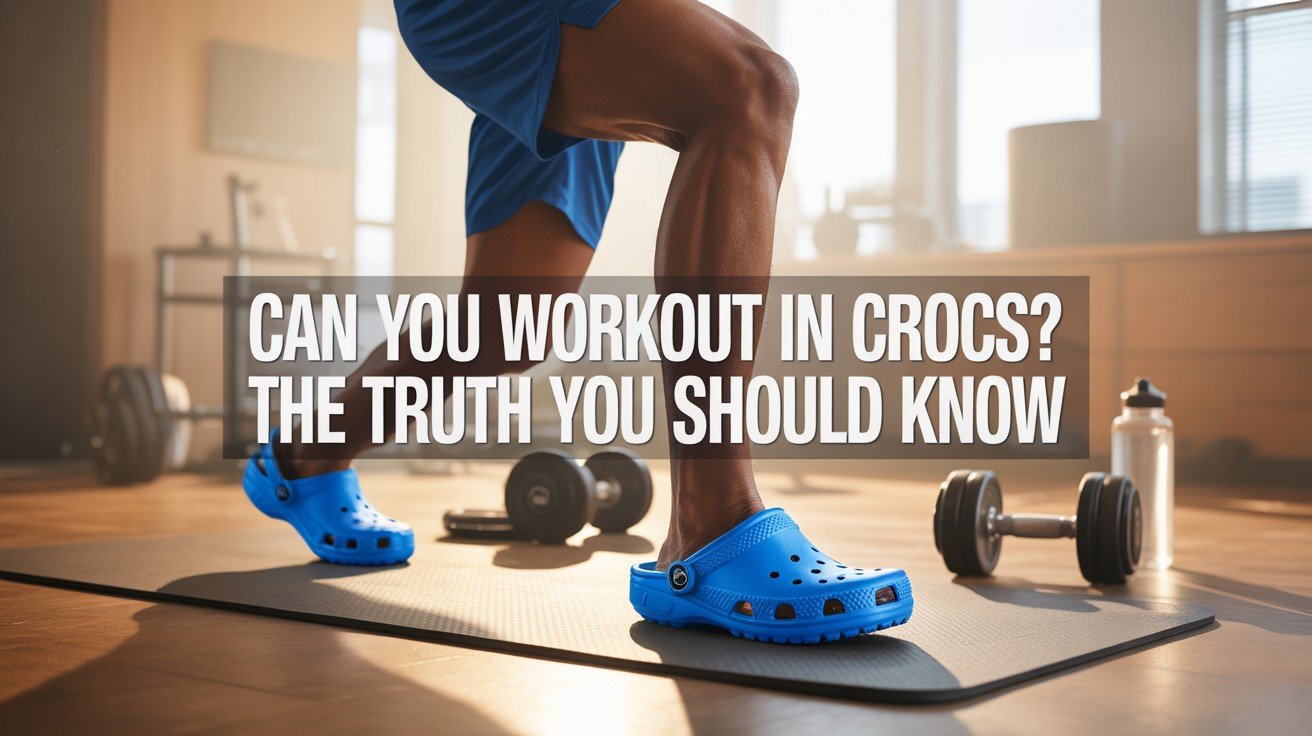
Ever caught yourself wondering if those comfy Crocs are actually safe for the gym? You’re not alone. Thousands of people ask this question every day, and I’m here to give you the straight answer.
Here’s what we’ll cover: the real risks of working out in Crocs, which exercises are okay (and which ones aren’t), and what footwear experts actually recommend. No fluff, just facts.
I’ve spent years testing workout gear and talking to fitness trainers about proper gym footwear. This article breaks down everything you need to know about Crocs and exercise. You’ll learn exactly when it’s fine to wear them and when you should definitely switch shoes. By the end, you’ll make smarter choices that keep your feet safe and your workouts effective.
Can You WorkOut in Crocs?
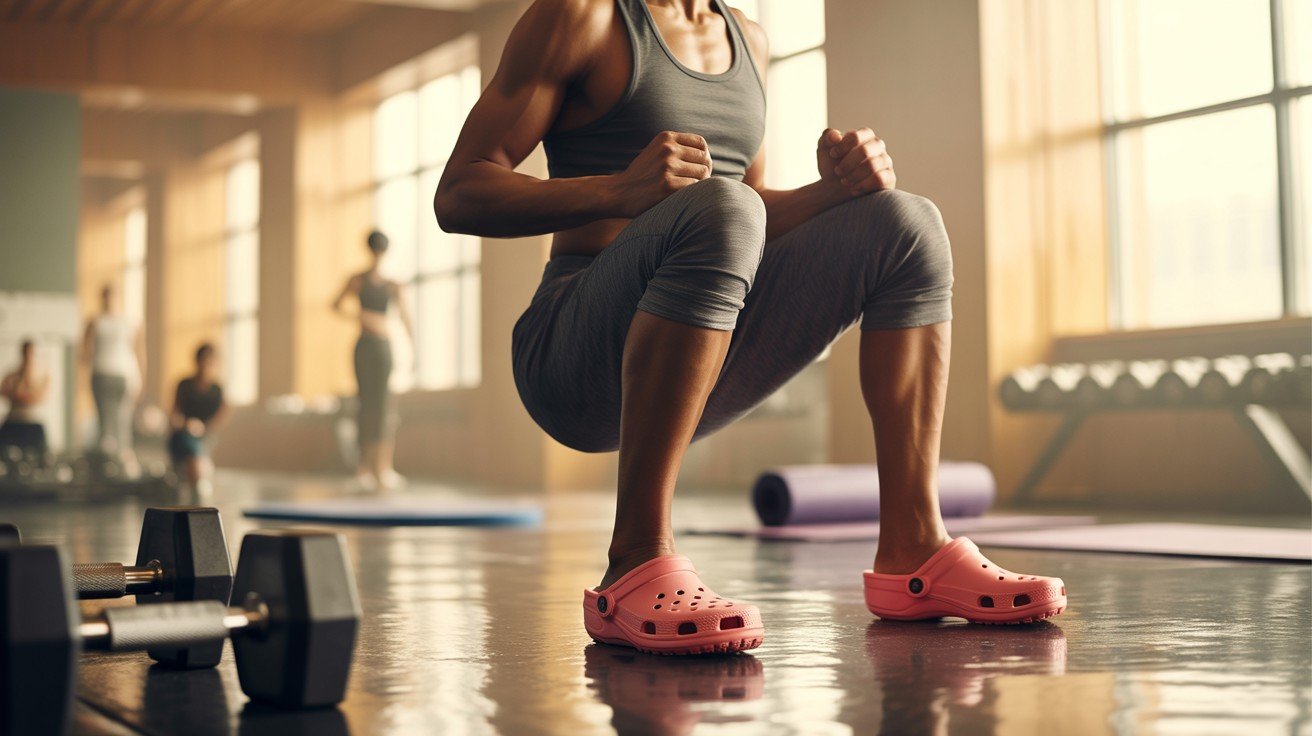
I’ll be honest with you. Crocs aren’t built for the gym. They’re designed for comfort and casual wear, not athletic performance.
Lack of Stability
That soft, squishy feeling you love? It’s your enemy in the gym. The Croslite material compresses under weight.
I’ve seen it happen. Put more than 185 pounds on your back for a deadlift, and those Crocs flatten like pancakes. Your ankle wobbles. Your form suffers. The foam just can’t handle serious loads.
Poor Foot Protection
Look at your Crocs right now. Notice all those holes? Your feet are completely exposed.
The top of your foot is vulnerable. The sides too. Drop a dumbbell, and nothing is protecting you. Even the friction from equipment can cause injuries. Gyms have heavy objects everywhere, and your toes need real coverage.
Loose Fit
Even with the strap flipped down, Crocs don’t stay put. They slip. They slide. They can come right off during a lunge.
- Your foot shifts during squats
- Balance becomes unstable during lunges
- Agility drills feel clumsy and dangerous
- You compensate with poor form
I don’t care how tight you make that strap. Crocs aren’t designed to lock onto your feet like athletic shoes. One wrong move and you’re off balance.
Gym Rules and Safety
Most gyms won’t even let you wear them. I’ve checked the policies at major chains, and the answer is almost always no.
Why? Liability. Gyms know that open footwear increases injury risk. They don’t meet safety standards for athletic facilities. You might get asked to change shoes or leave. Save yourself the embarrassment and wear proper workout shoes from the start.
When It’s (Mostly) Okay to Wear Crocs in the Gym
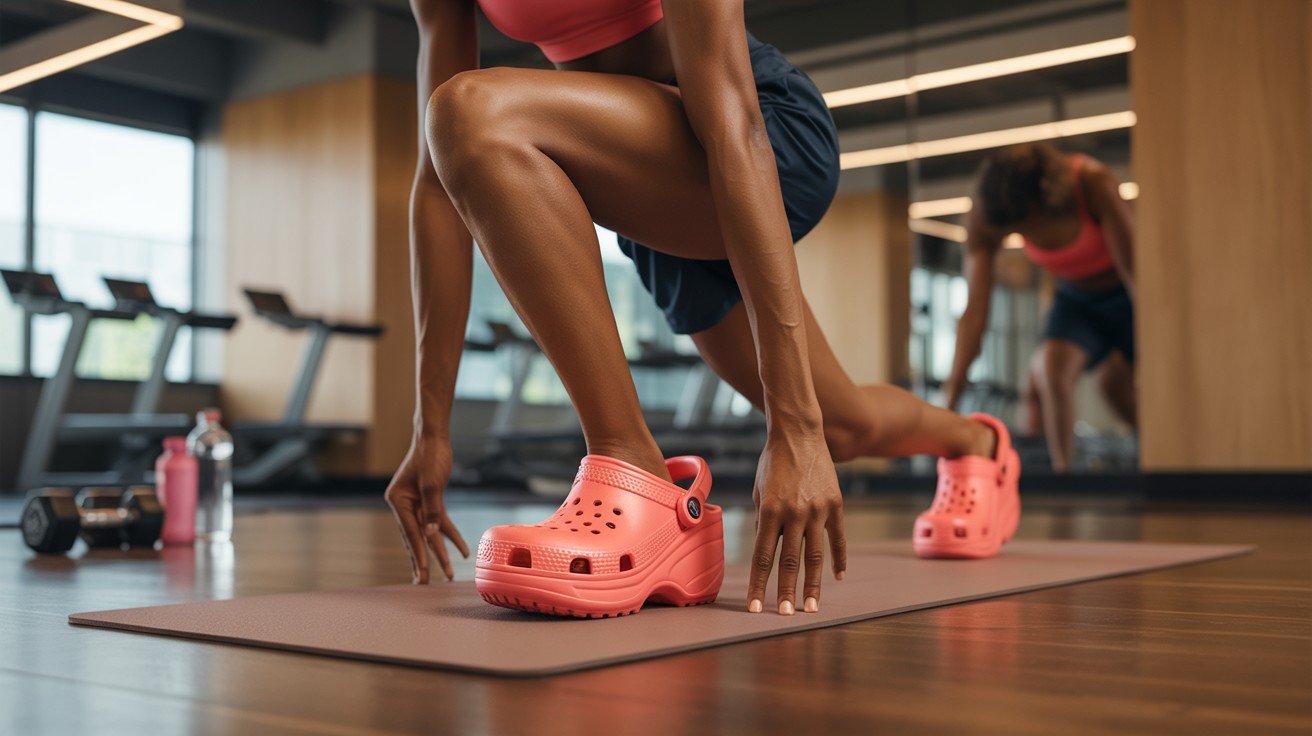
Low-Impact and Non-Intensive Activities
- Yoga and Stretching: Comfortable for static movements where your feet stay planted. No jumping or running means less support is needed.
- Treadmill Walking: Acceptable for short, light sessions at a casual pace. Keep it slow and easy, no speed walking or jogging.
- Warm-Ups and Cool-Downs: Easy to slip on and off before and after workouts. Perfect for those quick transition moments.
- Shower and Locker Areas: Ideal for hygiene and keeping your feet protected. This is actually where Crocs belong in the gym.
- Key Tips: Always engage sport mode and avoid wet surfaces. Stick to bodyweight or mobility work only, no weights allowed.
Exercises You Should Avoid in Crocs
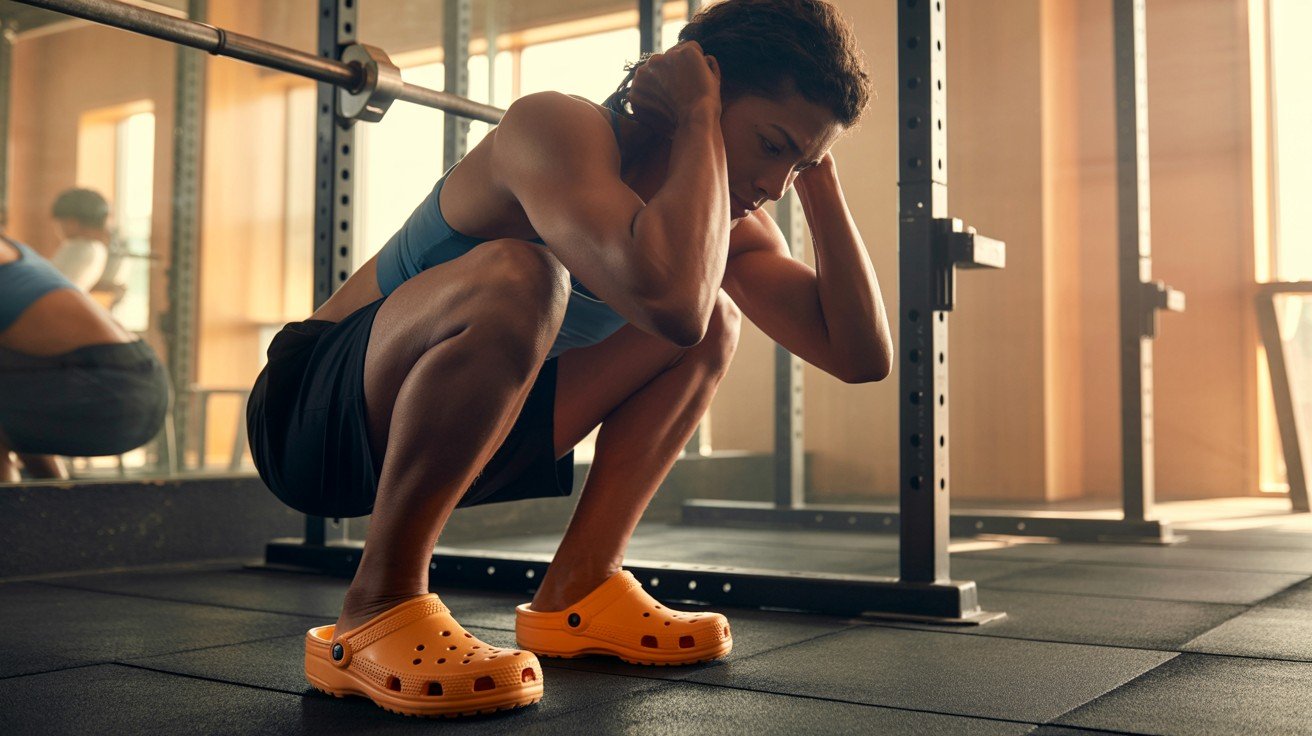
There are some exercises where Crocs aren’t just a bad idea, they’re dangerous.
- Weightlifting (Squats, Deadlifts, Presses): You need flat, stable soles for power transfer. Crocs have cushioned foam that absorbs your force instead of moving the weight. Picture squatting 200 pounds when your foot wobbles, not worth the risk.
- Running or HIIT Workouts: Zero ankle and arch support means poor protection for impact. Every landing puts stress on joints that aren’t being cushioned properly. Fast movements and direction changes make injury risk skyrocket.
- Agility or Plyometric Work: Box jumps and ladder drills are terrible in foam clogs. Unstable soles cause imbalance, and a lack of lateral support means easy slips. One wrong move and you’re rolling an ankle or sliding right out from under yourself.
Benefits of Working Out in Crocs
Okay, I’ll admit it. Crocs aren’t completely useless at the gym. They do have a few things going for them. But don’t get too excited.
- Lightweight Feel: Reduces fatigue during short, low-intensity sessions. Your feet won’t feel weighed down when you’re just stretching or walking.
- Breathability Ventilation holes help cool your feet and prevent sweat buildup. Nobody wants hot, sweaty feet trapped in closed shoes.
- Easy to Clean: Water-resistant, washable surface makes maintenance simple. Just rinse them off after a sweaty session and you’re good to go.
- Flexibility Material allows natural foot movement without restriction. Your toes can spread and flex more freely than in rigid athletic shoes.
- Basic Grip: Non-slip outsole offers minimal traction on dry surfaces. It’s not much, but it’s better than being completely flat and slippery.
Drawbacks of Exercising in Crocs
The problems with working out in Crocs far outweigh any benefits.
- Zero Arch Support Flat insoles lead to foot fatigue, pain, and potential plantar.
- Poor Ankle Stability: Soft, flexible sides provide zero support when you move laterally. One wrong step and you’re dealing with a sprain because your ankle can roll easily.
- Cushioning That Compresses: Soft foam collapses under pressure and creates an unstable base.
- The Strap Isn’t enough. Even in sport mode, your heel can slip and slide forward. This creates friction, blistering, and loss of control during intense movement.
- Slipping Hazar: Crocs don’t grip well on wet or sweaty gym surfaces. One slip could mean a twisted ankle or worse, dropping a weight on yourself.
Crocs vs. Proper Training Shoes
Let me be straight with you. I wore Crocs to the gym once. Never again.
| Feature | Crocs | Training Shoes | What This Means for You |
| Stability | Low (compressive sole) | High (firm base for power) | Your foot needs a solid base. Crocs squish under weight. Training shoes stay firm. Not ideal when you’re holding 200 pounds. |
| Protection | Moderate (open vamp) | Excellent (closed-toe support) | Open top design = exposed toes. Great for ventilation. Terrible when someone drops a dumbbell. Training shoes wrap your whole foot. |
| Traction | Decent on dry surfaces | Optimized for gym floors | Crocs grip okay on dry floors. But gym floors get sweaty and slippery. Training shoes have rubber patterns designed for this. |
| Comfort | Very high for casual wear | Balanced comfort & performance | Crocs feel amazing for walking around. Training shoes balance two goals: comfort and performance. Crocs only do one. |
| Safety | Poor for lifting/running | Designed for varied exercises | Crocs lack ankle support, lateral stability, impact protection, and proper arch support. Training shoes have all of this built in. |
Best Alternatives to Crocs for Working Out
You need the right shoe for the right job.
- Cross-Training Shoes: All-purpose gym warriors that handle lifting, box jumps, and quick movements without being perfect at any one thing.
- Weightlifting Shoes (Do-Win, Adidas Powerlift): Built for heavy lifting with raised heels, rock-solid bases, and maximum power transfer.
- Running Shoes: Designed for treadmill sessions and cardio with cushioning that protects your knees from constant pounding.
- Barefoot/Minimalist Shoes: Offer ground feel and natural movement for maximum stability during lifts without extra cushioning.
- Rogue Fitness Crocs: A casual recovery shoe for walking around the gym, not designed for actual training or lifting.
Conclusion
So, can you work out in Crocs? The answer depends on what you’re doing. Light activities like walking, stretching, or yoga? You’re good to go. Heavy lifting, running, or intense cardio? Skip the Crocs and grab proper athletic shoes.
Your feet deserve the right support. Crocs are comfortable for casual wear, but they lack the stability and grip needed for serious workouts. Don’t risk an injury just because they’re convenient.
Now you know the truth and can make the smart choice for your fitness routine. Got questions or your own Crocs workout story? Drop a comment below. And if this helped you out, share it with a friend who needs to hear it too. Stay safe and keep moving.
Frequently asked questions
Can You Work Out in Crocs Safely?
It depends on the workout. Crocs work fine for low-impact activities like walking, stretching, or light yoga. However, they’re unsafe for running, weightlifting, or high-intensity training because they lack proper ankle support, cushioning, and grip. The loose fit can cause slips and injuries during intense movements.
Are Crocs Good for Gym Workouts?
No, Crocs aren’t ideal for gym workouts. They don’t provide the stability needed for weightlifting or the shock absorption required for cardio machines. Most gyms actually discourage or ban Crocs due to safety concerns. Athletic shoes designed for specific exercises offer better protection and performance.
What Exercises Can You Do in Crocs?
You can safely do light stretching, casual walking, gentle yoga, and basic floor exercises in Crocs. These activities don’t require sudden movements or heavy impact. Avoid running, jumping, lifting weights, or any high-intensity exercises that need proper foot support and traction.
Why Shouldn’t You Wear Crocs to the Gym?
Crocs lack arch support, have minimal cushioning, and offer poor ankle stability. The loose fit can cause your foot to slide, leading to twisted ankles or falls. They also don’t provide the grip needed on gym floors, especially during dynamic movements or when using equipment.
What Shoes Should You Wear Instead of Crocs for Working Out?
Wear proper athletic shoes designed for your specific activity. Running shoes for cardio, cross-trainers for general gym work, or weightlifting shoes for heavy lifting. These shoes provide essential support, cushioning, stability, and grip that Crocs simply can’t offer during exercise.