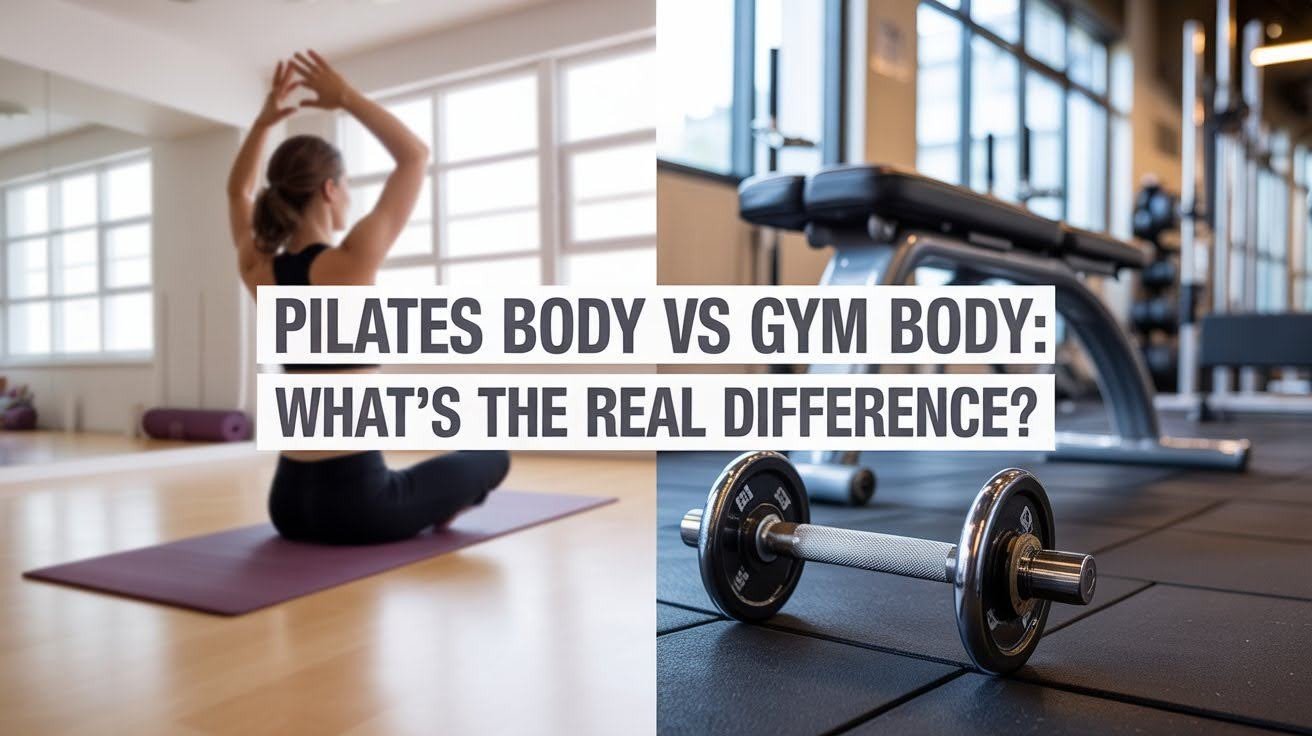
Have you ever noticed how some people have long, lean muscles while others look more bulky and muscular? This difference often comes down to their workout choice. When comparing a pilates body vs a gym body, the results look quite different.
Pilates creates a toned, balanced look, while gym training builds bigger, more defined muscles. Many people wonder which path to take for their fitness goals. The answer depends on what you want your body to look like and how you want to feel.
Let’s break down the real differences between these two popular workout styles.
Understanding the Foundations: Pilates vs Gym Training

Before we compare the Pilates body vs gym body results, it’s important to understand what each workout type actually does. These two methods use very different approaches to build strength and change how your body looks.
What Defines a Pilates Workout?
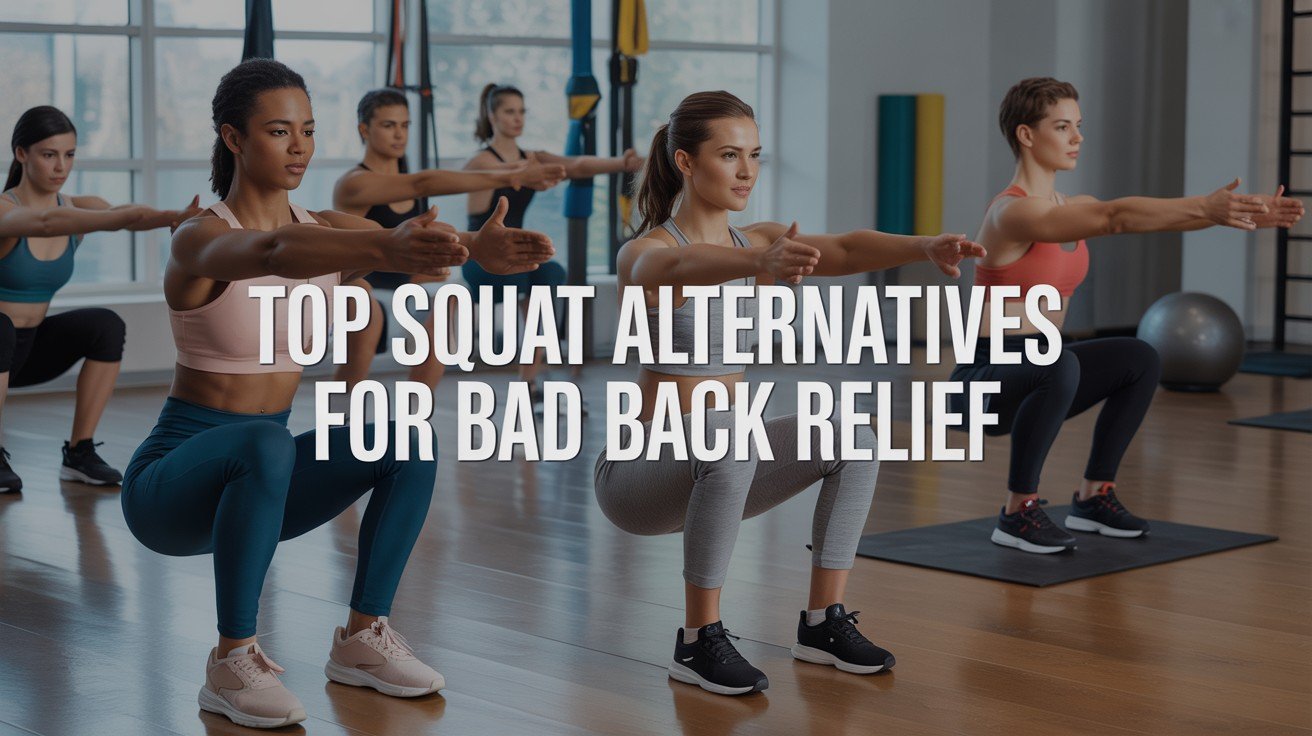
Pilates focuses on six main ideas: breath control, concentration, centering, precision, and flow. The movements are slow and controlled, putting very little stress on your joints. This method creates a strong connection between your mind and body as you move.
You can do Pilates on a mat with just your body weight or use a reformer machine with springs for resistance. Both options work your muscles through full ranges of motion. The focus stays on quality over quantity, with each movement done carefully and with purpose.
What Defines Gym Training?
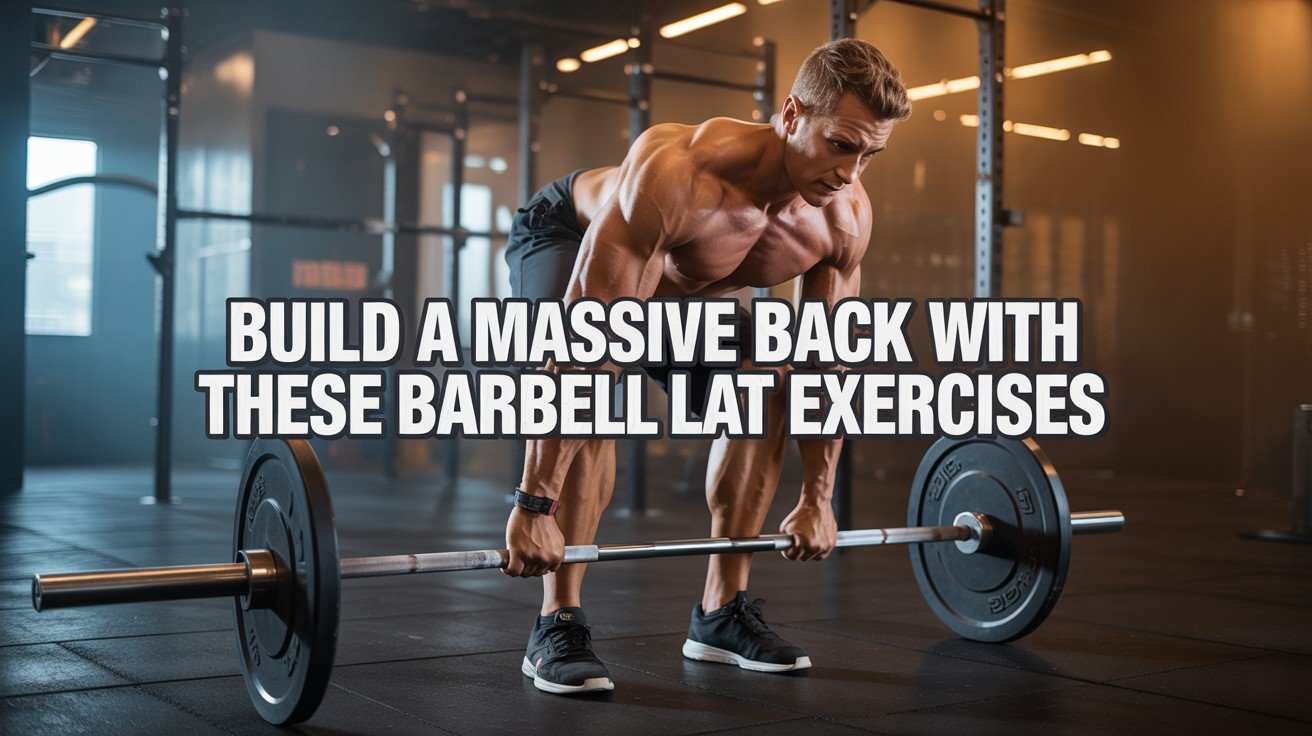
Gym workouts use progressive overload, which means you slowly add more weight or do more reps over time. The goal is to make specific muscles grow bigger through a process called hypertrophy. Most exercises target one muscle group at a time with heavy weights.
This training style often includes high-intensity work that pushes your limits. Many gym programs also add cardio exercises like running or cycling. The focus is on building visible muscle size and getting stronger with each workout session.
Key Differences Between Pilates Body and Gym Body Results
Now, let’s look at the specific ways a pilates body vs gym body comparison shows different outcomes. These seven areas highlight how each method changes your appearance and abilities.
1. Physical Appearance and Muscle Tone

A Pilates body tends to look long and lean, with muscles that don’t bulge out much. The proportions stay balanced across your whole body, creating a graceful appearance. People often describe this look as “dancer-like” with smooth muscle lines.
A gym body shows larger muscles with clear definition between each muscle group. You can see the separation between the biceps, triceps, and shoulder muscles. This physique looks more powerful and athletic, with visible size increases in trained areas.
2. Core Strength Development

Pilates works the deep muscles inside your core that you can’t see from the outside. These stabilizing muscles support your spine and improve how you stand and move. Your posture gets better, and your whole midsection becomes stronger, even without a six-pack showing.
Gym training often focuses on the outer ab muscles that create visible definition. Crunches and weighted ab exercises make the surface muscles pop. While these look impressive, they might not provide the same deep support that Pilates offers for daily activities.
3. Flexibility and Range of Motion

Pilates improves how far your joints can move in all directions. Each exercise takes your body through full stretches while building strength. This keeps your joints healthy and reduces stiffness as you age.
Gym training can actually make you less flexible if you don’t stretch properly. Lifting heavy weights without stretching can shorten your muscles over time. Many gym-goers need to add separate stretching sessions to maintain their mobility and prevent tightness.
4. Posture and Body Alignment

The Pilates body vs gym body difference really shows in daily posture. Pilates teaches your spine to stay in proper alignment throughout every movement. This muscle balance carries over to how you sit, stand, and walk all day long.
Gym workouts can create imbalances if you don’t train all sides equally. For example, doing too many chest exercises without enough back work can round your shoulders forward. Proper form is critical, but many people lift without perfect technique.
5. Injury Risk and Recovery

Pilates is gentle on your body because the movements flow smoothly without jarring impacts. Doctors often recommend it for people recovering from injuries or dealing with chronic pain. The low-impact nature makes it safe for almost anyone to try.
Gym training with heavy weights carries a higher chance of injury, especially for beginners. Dropping weights, using bad form, or lifting too much can strain muscles or hurt joints. However, when done correctly with proper rest, gym training can still be safe and effective.
6. Workout Intensity and Approach

Pilates sessions feel intense in a different way than gym workouts. Each movement requires full concentration and precise muscle control. You might not sweat as much, but your muscles will shake from the sustained effort.
Gym workouts often involve explosive movements and pushing to failure. You lift heavy, rest, then repeat for multiple sets. This approach burns more calories during the workout and creates a different type of muscle fatigue.
7. Mental and Mind-Body Benefits

Pilates reduces stress through focused breathing and mindful movement. You become more aware of how your body feels and moves. Many people find it calming, almost like moving meditation.
Gym training gives you an endorphin rush from high-intensity effort. It builds mental toughness as you push through challenging sets. Both methods improve your mood, but they affect your mental state differently during and after workouts.
Tips for Choosing Between Pilates and Gym (Or Combining Both)
The pilates body vs gym body question isn’t about which one is better overall. It’s about what fits your personal goals and lifestyle best.
Choose Pilates if:
- You want a lean, toned look without bulk
- You’re recovering from an injury or have joint problems
- You prefer low-impact exercise that’s easier on your body
- You want to improve your posture and flexibility
- You enjoy mindful, controlled movements
Choose gym training if:
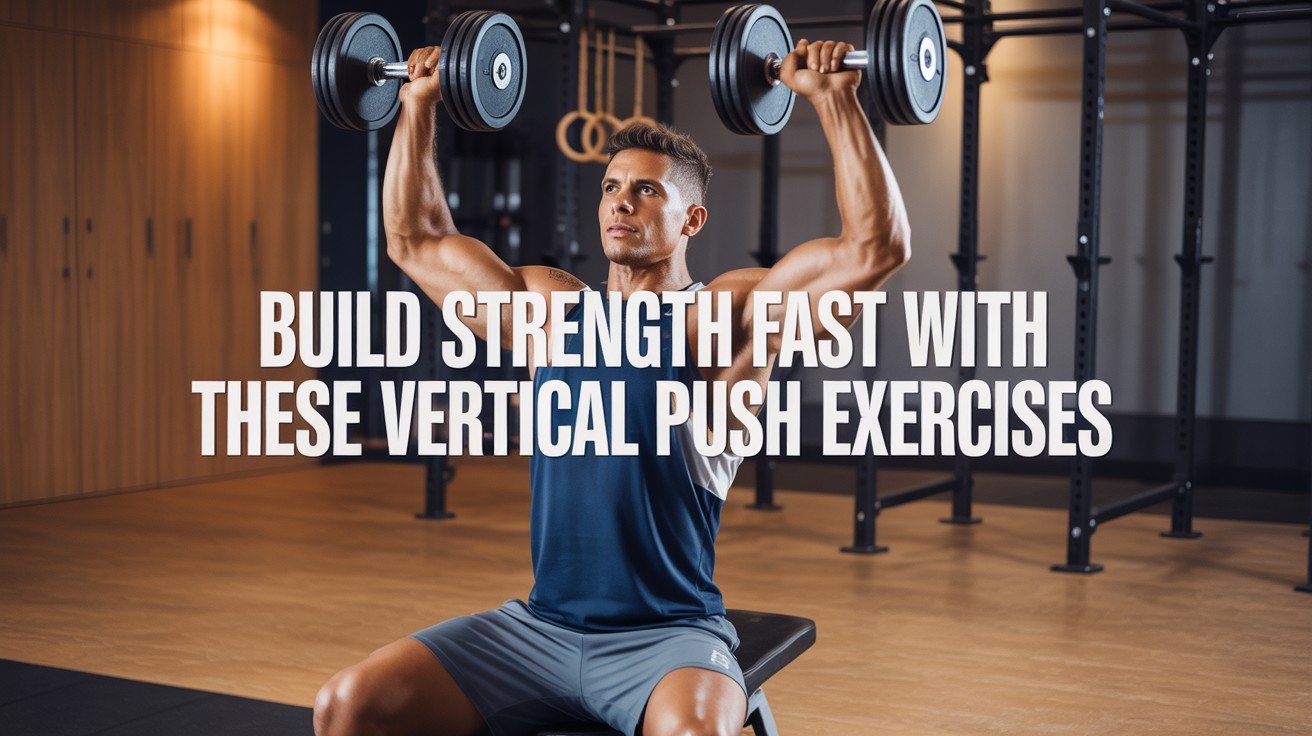
- Your goal is to build maximum muscle size
- You need explosive strength for sports
- You love high-intensity workouts that make you sweat
- You want to lift heavy weights and see your muscles grow
- You enjoy the energy of a traditional gym setting
Consider combining both: Many people get the best results by doing both styles. You could do Pilates twice a week for flexibility and core work, plus gym sessions twice a week for muscle building. Reformer Pilates offers a middle ground with more resistance than mat work.
Start with 3-5 sessions per week to see visible changes in 8-12 weeks. Listen to your body and adjust based on how you feel and what results you’re getting.
Conclusion
When comparing pilates body vs gym body results, there’s no clear winner for everyone. A Pilates body gives you functional strength, better posture, and balanced muscle tone. A gym body provides more muscle size, power, and visible definition.
Both methods work well for different goals. Think about what you want from your workouts and how you like to exercise. The best choice is the one you’ll stick with long-term.
Your fitness path should match your lifestyle, preferences, and what makes you feel good in your own body.
Frequently Asked Questions
Can You Build Muscle Mass With Pilates Alone?
Pilates can tone your muscles and make them stronger, but it won’t build large muscle size like gym training does. The resistance isn’t heavy enough for major muscle growth. If you want bigger muscles, you’ll need to add weights.
How Long Does It Take To See Body Changes?
Most people notice changes from Pilates in 10-12 weeks with consistent practice. Gym results can show faster, sometimes in 6-8 weeks, especially for beginners. Your diet, how often you work out, and genetics all affect your timeline.
Is One Method Better For Beginners Than The Other?
Pilates is often easier for complete beginners because the movements are slower and gentler. The learning curve is friendlier, and the injury risk is lower. Gym training requires more instruction on proper form to stay safe with weights.
Can You Do Pilates And Gym Training On The Same Day?
Yes, you can combine them on the same day if you have the energy. Try doing gym training first when you’re fresh, then Pilates for stretching and core work. Just make sure you’re getting enough rest and not overtraining.
Which Approach Burns More Calories Per Session?
Gym workouts typically burn more calories during the session, especially with high-intensity training. However, building muscle through gym work also increases your metabolism long-term. Pilates burns fewer calories but still offers valuable fitness benefits beyond weight loss.