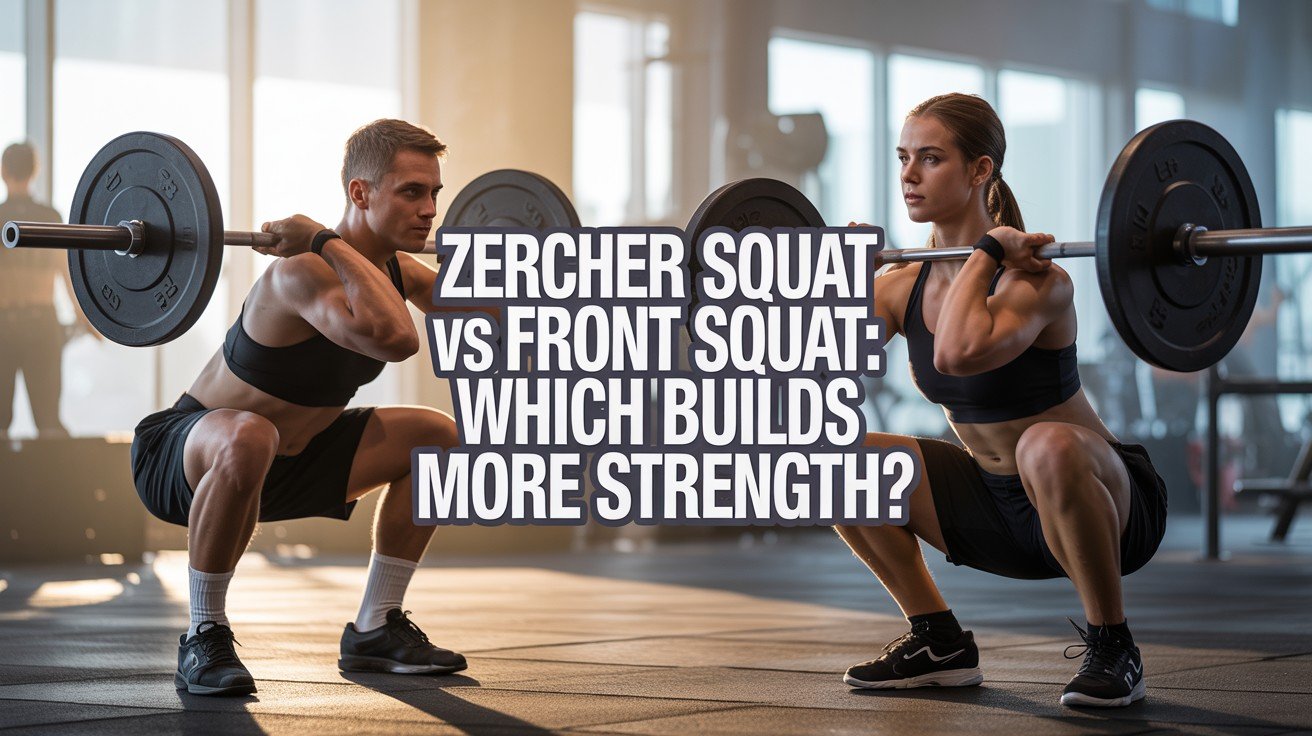
Trying to decide between Zercher squats and front squats? Yeah, I’ve been there too. You want to get stronger, but it’s tough to know which ones’s actually worth your time. Both will challenge you, but they work your body differently.
Here’s what I’m going to do. I’ll show you which squat builds more strength, how each one hits your muscles, and which one fits your goals. No confusing jargon. Just real talk from someone who’s coached both movements for years.
Look, I know why you’re here. You want something that works. Maybe you’ve been stuck at the same weights. Maybe you’re tired of guessing. I’m going to break this down so you can pick the right squat and start making real progress. Let’s do this.
What is the Zercher Squat?

Ed Zercher created this lift back in the 1930s. He was a strongman who needed a way to train without a squat rack. So he grabbed the bar and cradled it in his arms.
You hold the barbell in the crook of your elbows, right in front of your torso. Your arms form a shelf. Your core stays tight. You squat down and drive back up. The bar never touches a rack until you’re done.
Your stance matters. Stand with feet shoulder-width apart. Toes point slightly out. Keep your chest up and elbows together. The bar sits in the fold of your arms, not on your forearms.
Muscles Worked
This lift hits your quads and glutes hard. But the real star? Your core. Every rep forces your abs and lower back to work overtime.
- Upper back muscles (traps and rhomboids) stabilize the load
- Biceps hold an isometric contraction for the entire set
- Spinal erectors keep you from folding forward
- Hip flexors help control the descent
The core stabilization demand is massive. You can’t cheat it. You can’t rely on momentum. Your midsection either locks in or the lift fails.
Benefits of Zercher Squats
Core power explodes with Zercher squats. The upright position forces your abs to brace harder than almost any other squat variation. Your spinal stability improves. Your posture gets better.
- Mimics carrying awkward objects (stones, sandbags, even people)
- Builds the exact strength wrestlers need for clinch work
- Transfers directly to real-world lifting situations
- Requires less shoulder and wrist flexibility than front squats
- Strengthens your upper back for better pulling power
MMA fighters love this movement. So do strongman competitors. The Zercher teaches you to stay solid under unstable loads. That’s athletic power you can actually use.
Common Challenges
Your elbows will complain. The bar digs into the crook of your arms. It’s uncomfortable. Some people wrap a towel around the bar. Others use a thick pad. Both help.
- Your arms give out before your legs
- Your core limits the weight you can handle
- Staying upright demands serious upper back strength
- Your hamstrings don’t activate as much as in other squat variations
Form breaks down fast if you’re not ready. Your chest collapses forward. Your elbows drift apart. The bar starts to slip. Add Romanian deadlifts or good mornings on another day. They’ll cover what the Zercher doesn’t hit.
What is Front Squat?

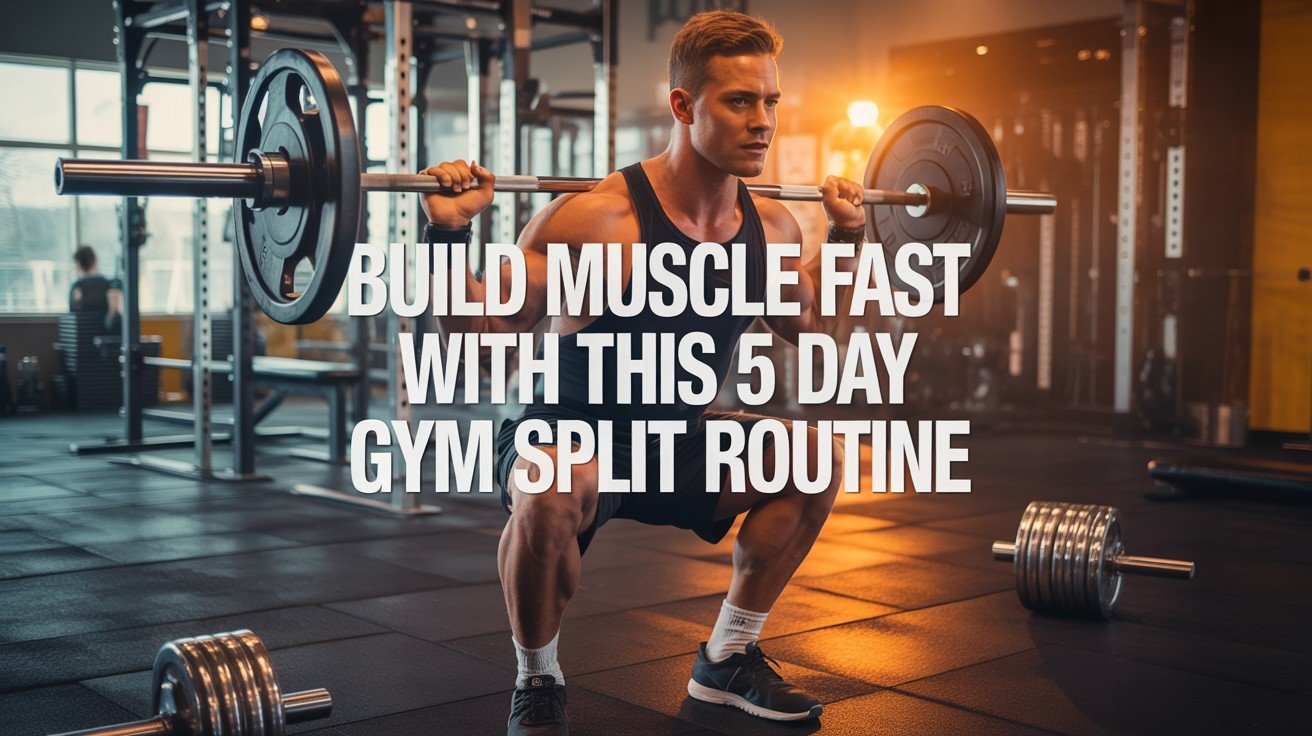
The bar rests on your front delts. It sits just below your collarbone. Your shoulders create a shelf. The weight balances there if your position is right.
You have two grip options. The clean grip keeps your hands under the bar with elbows high. The cross-arm grip crosses your arms over the bar like you’re hugging yourself. Both work. Pick what feels more natural.
Your torso stays more upright than in any other squat. The forward bar position forces this. Your quads do most of the work. Your core braces to keep you from tipping forward.
Muscles Worked
Your quads take the beating here. They fire harder than in back squats. Your glutes still drive you up. But the quad demand is relentless.
- Abs and obliques prevent forward collapse.
- Upper back muscles keep your chest proud
- Shoulders stabilize the bar position
- Thoracic spine extensors maintain upright posture
- Hip flexors control the bottom position
The focus shifts to leg hypertrophy and posture. Your back stays straighter. Your spine loads differently. Everything tightens up to support that front-loaded bar.
Benefits of Front Squats
Quad growth explodes with front squats. The upright position targets your thighs like nothing else. Explosive power improves. Your legs get bigger and stronger.
- Builds the exact strength needed for clean and jerk
- Improves your ability to catch heavy cleans
- Strengthens your thoracic spine for better posture
- Increases shoulder and ankle mobility
- Promotes perfect upright alignment under load
Your posture transforms over time. Your upper back gets stronger. Your shoulders open up. You stand taller. The core engagement teaches your body what true balance feels like.
Common Challenges
Mobility stops most people before weight does. Your wrists need flexibility. Your shoulders must be mobile. Your thoracic spine has to extend properly. If any link is weak, the position falls apart. The front rack position feels awkward at first
- .Elbows want to drop down
- Bar rolls forward off the shoulders
- Wrists strain under the angle
- Heavy loads make everything harder
Form fatigue hits fast. Your upper back gets tired. The bar starts to slip. Your elbows drop. One rep feels fine. The next rep, everything collapses. You need practice and patience to make this lift stick.
Zercher Squat vs Front Squat: Key Differences

These two squats look similar on paper. Both load the front of your body. Both demand core strength. But the differences matter more than you’d think.
| Factor | Zercher Squat | Front Squat |
| Bar Placement | Crook of the elbows, in front of the torso | Front delts, below the collarbone |
| Grip Options | Arms cradle the bar | Clean grip or cross-arm grip |
| Primary Muscles | Quads, glutes, core, upper back | Quads, glutes, core |
| Core Demand | Extremely high | High |
| Upper Body Involvement | Biceps, traps, and rhomboids work hard | Shoulders and upper back stabilize |
| Mobility Requirements | Low (minimal wrist/shoulder flexibility) | High (wrist, shoulder, ankle, thoracic) |
| Loading Capacity | Lower (arms limit weight) | Higher (shoulders support more) |
| Discomfort Level | Elbows take pressure | Wrists and shoulders may strain |
| Learning Curve | Moderate (uncomfortable but simple) | Steep (rack position is technical) |
| Functional Carryover | Carrying odd objects, wrestling, and strongman events | Olympic lifts, athletic movements |
| Best For | Core strength, real-world lifting | Quad hypertrophy, clean strength |
Which Squat Builds More Strength?
Strength isn’t one thing. It’s not just the number on the bar. Different squats build different types of power.
- Maximum strength gains: Front squats allow 20-30% heavier loads for greater quad and glute development, while Zerchers build unique isometric arm and core strength.
- Core and functional strength: Zercher squats win with superior core bracing, real-world lifting carryover, and total body tension that front squats can’t match.
- Sport-specific goals: Front squats are essential for Olympic lifters and CrossFit athletes, while Zerchers benefit strongman competitors and combat athletes (wrestlers, MMA fighters).
Conclusion
So, which one’s better? Honestly, they’re both fantastic for building strength. The front squat is your go-to for quad development and improving mobility, while the Zercher squat hammers your core and builds that gritty, functional strength.
The truth is, your best pick depends on what you’re after and how each movement feels for you. Some people love the front squat’s clean positioning, while others swear by the Zercher’s full-body challenge.
Why not try both and see what clicks? You might even find that rotating them keeps your training fresh and your gains coming. Drop a comment and let us know which one you’re leaning toward or if you’ve got a favorite already!
Frequently asked questions
Which is harder: Zercher squat or front squat?
The Zercher squat is generally harder because it demands more from your core, upper back, and grip strength. The awkward arm position also limits how much weight you can lift compared to the front squat, making it more challenging overall.
Can I do both Zercher squats and front squats in the same program?
Absolutely! Many lifters rotate both exercises to target different muscle groups and prevent plateaus. You might do front squats on one leg day and Zercher squats on another, or use them in different training blocks for variety.
Which squat builds more overall strength?
The Zercher squat builds more overall functional strength because it engages your entire body, especially your core and upper back. The front squat excels at building pure leg strength and quad development. Both are excellent strength builders for different reasons.
Is the Zercher squat bad for your arms?
The Zercher squat can be uncomfortable on your arms initially, but it’s not dangerous. Using elbow sleeves, a pad, or a thick bar helps. Your arms adapt over time, and proper technique prevents excessive bruising or discomfort.
Which squat is better for beginners?
The front squat is typically better for beginners because it’s easier to learn and more comfortable to perform. The Zercher squat requires more body awareness and core strength, making it better suited for intermediate lifters who’ve mastered basic squat patterns.