
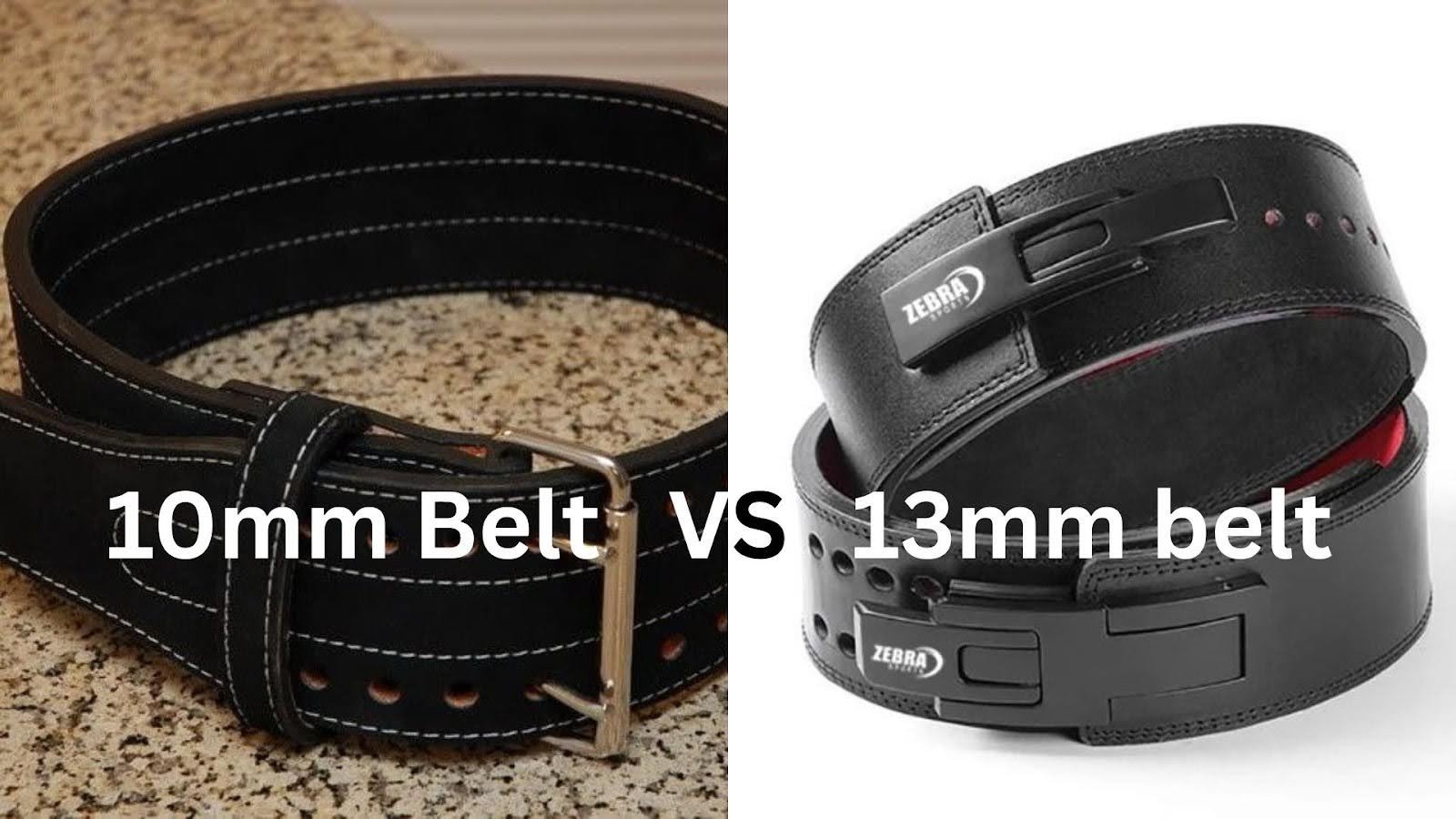
It can be so confusing to decide if you need a 10mm or a 13mm belt when you are at the gym store or simply looking through the items online. The difference in the thickness of the belt is just a tiny bit however, it changes greatly how the belt feels to you when you do your heaviest sets.
Normally, a great number of lifters think that if a belt is thicker, then it is better. That is not the case. The appropriate belt thickness should be determined by the shape of your body, your style of training, and your lifting goals.
With this article, you know everything about belt thickness. You figure out which one suits your training the best, is cheaper, and helps you lift more safely and strongly.
Quick Answer: 10mm vs 13mm Belt
Choosing the right belt thickness affects your comfort, performance, and how quickly you can adapt to using it during training sessions.
Main Difference in One Line:
10mm belts: Offer more comfort, flexibility, and faster break-in periods for everyday training.
A 10mm belt provides solid core support without feeling like a vise around your torso. You can breathe naturally between reps, which matters during high-volume training days. The slightly thinner material molds to your body shape within the first few sessions.
This thickness works for most training scenarios. You get enough rigidity to brace properly during heavy squats and deadlifts. At the same time, you maintain mobility for dynamic movements like cleans or overhead presses.
The 10mm option costs less and delivers reliable performance for years. It’s the sweet spot that balances support with practicality for the majority of lifters.
13mm belts: Deliver thicker, stiffer construction with more supportive structure for maximum lifts.
These belts feel noticeably firmer against your abdomen and lower back. That extra 3mm of thickness creates a more solid wall to push against when you’re bracing for a personal record attempt. Elite powerlifters prefer this rigidity during competition.
The stiffness takes patience to work through. Your first few training sessions might feel uncomfortable or restrictive. Some lifters need weeks or even months before the belt conforms to their body shape.
If you’re regularly lifting near your one-rep max, the 13mm belt provides that extra confidence. It’s built for serious strength athletes who prioritize maximum core stability over comfort.
Summary Recommendation:
Most lifters should choose a 10mm belt for balanced comfort and support during regular training.
You’ll adapt quickly and can use it across different exercises. The 10mm thickness handles heavy weights effectively while remaining comfortable during longer training sessions. It works for squats, deadlifts, presses, and even some accessory movements.
Elite or heavy lifters: Benefit from a 13mm belt for max rigidity and core bracing during competition lifts.
If you’re competing in powerlifting or consistently training with loads over 85-90% of your max, the extra thickness pays off. The superior rigidity helps you maintain tighter bracing under extreme loads. This becomes crucial when every pound matters.
Understanding Lifting Belt Thickness
Belt thickness determines how much support you get and how the belt feels during your lifts.
How Belt Thickness Affects Performance
Thicker belts create a larger surface area for your core muscles to push against. When you take a deep breath and brace, you’re increasing intra-abdominal pressure. The belt acts as an external wall that prevents your midsection from expanding outward.
This mechanical advantage helps you lift heavier weights more safely. Your spine stays in a more neutral position throughout the movement. The stability reduces your injury risk during maximal efforts.
However, more thickness isn’t always better. A belt that’s too stiff can limit your range of motion on certain exercises. You want enough support to enhance your bracing without restricting your natural movement patterns.
Material and Construction Considerations
Leather belts require a break-in period regardless of thickness. Thicker leather takes longer to soften and conform to your body. Synthetic belts often feel more comfortable immediately, but may not last as long under heavy use.
The quality of leather matters as much as thickness. A well-constructed 10mm belt from premium leather outperforms a cheap 13mm belt made from inferior materials. Look for single-piece leather construction without weak seams.
Stiffness varies between manufacturers even at the same thickness. Some companies use denser leather that feels firmer. Try different brands if possible before committing to a purchase.
Body Type and Thickness Selection
Your torso length influences how a belt fits and feels. Shorter torsos have less space between the rib cage and hip bones. A 13mm belt might dig into these areas uncomfortably during certain movements.
Taller lifters with longer torsos usually have more room for a thicker belt. They can position it in a spot that maximizes support without impeding breathing. Your individual anatomy plays a significant role.
Waist size also matters. Smaller waists may find 13mm belts overwhelming. The proportion of belt thickness to body size affects both comfort and effectiveness during training.
Competition Requirements
Most powerlifting federations allow both 10mm and 13mm belts. The maximum width is typically 4 inches (10cm), but thickness regulations are less restrictive. Always check your specific federation’s rules before competition day.
Some lifters own both thicknesses. They use 10mm for training and switch to 13mm for meets. This strategy lets you enjoy comfortable daily training while having maximum support when it counts most.
The 10mm vs 13mm belt debate often comes down to personal preference among competitive athletes. Many world record holders use 10mm belts successfully. The best choice is the one you can brace against most effectively.
Long-Term Training Considerations
Your training style influences which thickness serves you best over time. If you follow a powerlifting program with frequent heavy singles, doubles, and triples, a 13mm belt might suit your needs. The extra support helps during these intense sessions.
High-volume programs with more moderate weights favor 10mm belts. You’ll wear the belt for more sets and reps. Comfort becomes increasingly important as training sessions extend beyond an hour.
Think about your five-year training goals. Are you focused on building maximum strength, or do you want balanced fitness with good strength levels? Your answer guides your belt thickness choice.
10mm Lifting Belt: Overview and Benefits
A 10mm lifting belt offers practical support that works for most training styles and experience levels.
Balanced Rigidity and Flexibility

This balance means you get effective core bracing for heavy compound movements. At the same time, you maintain enough flexibility to move through full ranges of motion. The belt doesn’t fight against your body during the eccentric or concentric phases.
You can tighten the belt appropriately for each exercise. Squats might need one notch tighter than deadlifts. The 10mm material allows these small adjustments without feeling like you’re choosing between too loose or too tight.
The moderate stiffness enhances your natural bracing ability rather than replacing it. You still need to engage your core properly. The belt simply gives your muscles something firm to push against for improved stability.
Comfort Advantage

You won’t feel like you’re being squeezed in a vice between sets. This comfort level matters when you’re doing multiple exercises with the belt on. Some lifters keep their 10mm belt fastened throughout the entire workout without discomfort.
The edges tend to be less harsh against your skin compared to thicker options. You’ll experience fewer pressure points digging into your ribs or hips. This becomes noticeable during high-rep sets where you’re breathing heavily.
Comfort doesn’t mean sacrificing effectiveness. A 10mm belt still delivers excellent support for the vast majority of lifters. You simply get that support without the restrictive feeling that comes with maximum thickness.
Quick Break-In Period

New leather belts feel stiff initially, but the 10mm construction softens within days or a few weeks. You can accelerate this process by manually working the leather, wearing it around the house, or using leather conditioner. The thinner material responds faster to these techniques.
This quick adaptation means you’ll be training comfortably sooner. You won’t waste weeks or months fighting with a belt that feels awkward. The 10mm vs 13mm belt comparison clearly favors the thinner option for break-in time.
Synthetic 10mm belts often need little to no break-in period. They feel comfortable from the first training session. This immediate usability appeals to lifters who want to start using their belt right away.
Exercise Versatility

The flexibility allows you to use it across your entire training program. You’re not limited to just the big three powerlifting movements. Many lifters wear it for overhead presses, front squats, and even heavy rowing variations.
This versatility provides better value for your money. Instead of owning multiple belts for different purposes, a quality 10mm belt handles most situations. You’ll reach for it more often because it doesn’t restrict your training variety.
The comfort level means you can keep it on during supersets or circuit-style training. You won’t need to constantly remove and refasten it between exercises. This saves time and maintains consistency in your bracing throughout the workout.
Ideal For

If you’re following a general strength program that includes powerlifting, bodybuilding, and functional fitness elements, this thickness adapts to everything. You get support when you need it without limitations. The 10mm option works well for most body types and training goals.
CrossFit athletes and Olympic weightlifters often prefer 10mm belts. These disciplines require more mobility and dynamic movement than pure powerlifting. The slightly thinner construction doesn’t interfere with cleans, snatches, or overhead work.
Budget-conscious lifters also benefit from 10mm options. They typically cost less than 13mm versions while delivering excellent performance. You’re getting solid value without compromising on quality or effectiveness.
13mm Lifting Belt: Overview and Benefits
A 13mm lifting belt represents maximum thickness for lifters who prioritize ultimate support over comfort.
Maximum Rigidity

When you’re attempting a personal record squat or deadlift, that extra 3mm makes a noticeable difference. The belt creates a more solid wall for your core to push against. This rigidity helps maintain spinal position during the most challenging portions of heavy lifts.
Elite powerlifters report feeling more confident with 13mm belts during competition. The increased stability translates to better bar path control and more consistent technique. These small advantages matter when you’re pushing your absolute limits.
The stiffness does create limitations. You’ll notice more restrictions during movements that require torso flexion or rotation. Some lifters find 13mm belts too rigid for conventional deadlifts and prefer them only for squats.
Enhanced Core Support

Heavier athletes generate more force when bracing. They need a belt that can handle that increased pressure without deforming. The 13mm thickness provides the structural integrity to support larger, stronger lifters effectively.
Your training intensity also matters. If you’re regularly handling 500+ pound squats or 600+ pound deadlifts, the extra support becomes valuable. The belt won’t compress as much under these extreme loads compared to thinner options.
Lighter lifters might not generate enough force to fully utilize a 13mm belt’s capabilities. The extra stiffness could hinder more than help. Consider your current and projected strength levels when deciding on thickness.
Durability

The additional material thickness means more leather or synthetic material to wear through. This construction translates to a longer product lifespan. Many serious lifters use the same 13mm belt for a decade or more with proper care.
The buckle or lever mechanism typically fails before the belt material does. Investing in quality hardware matters as much as belt thickness. Look for sturdy prongs, robust levers, and reinforced stitching at stress points.
While 13mm belts cost more initially, the durability can justify the higher price. You’re buying a piece of equipment that should last through years of consistent training. The cost per use becomes quite reasonable over time.
Competition Ready

Federation rules typically specify maximum dimensions rather than minimum requirements. Both 10mm and 13mm belts comply with most regulations. However, many competitive powerlifters choose 13mm for the psychological edge it provides on the platform.
You’ll see 13mm belts on lifters at national and international competitions. They’ve become somewhat of a standard among serious competitors. This doesn’t mean you need one to compete successfully, but they’re widely accepted and used.
Some federations have specific approved equipment lists. Check these requirements before purchasing. You want to ensure your investment meets the standards for your chosen competitions.
Ideal For

If competition powerlifting is your primary goal, the 13mm option makes sense. You’re training specifically for maximum single-rep efforts. The belt’s characteristics align perfectly with this training style and competition demands.
Strength specialists who rarely do high-rep work also appreciate 13mm belts. Your training centers on sets of one to five reps with very heavy loads. The extra support enhances safety and performance during these intense efforts.
Lifters who have mastered bracing technique benefit most from 13mm thickness. Beginners should develop proper bracing habits with a 10mm belt first. Once your technique is solid, upgrading to 13mm can provide that final edge for maximum lifts.
Side-by-Side Comparison: 10mm vs 13mm Belt
This table helps you see the key differences between belt thicknesses at a glance.
| Factor | 10mm Belt | 13mm Belt |
| Thickness | Standard, flexible | 30% thicker, rigid |
| Comfort | Easier breathing, softer edges | Can feel tight or restrictive |
| Support Level | Great for most lifters | Maximum for elite |
| Break-In Time | Short (days to weeks) | Long (weeks to months) |
| Versatility | Works for many lifts | Mostly for powerlifting |
| Price | More affordable | Higher cost |
| Ideal User | Everyday lifters | Heavy or competitive powerlifters |
| Weight Capacity | Up to 230 lbs typically | Best for 230+ lbs |
| Movement Freedom | High mobility maintained | Some restriction possible |
| Training Volume | Excellent for high volume | Better for low reps, heavy weight |
| Competition Use | Widely accepted | Preferred by many elites |
| Resale Value | Good | Excellent |
| First Belt Purchase | Highly recommended | Consider after experience |
The 10mm vs 13mm belt choice becomes clearer when you examine your specific training situation. A 10mm belt handles the needs of most lifters effectively. The 13mm option serves a more specialized purpose for heavy and competitive athletes.
Tips for Choosing Based on Experience and Training Style
Your experience level and training goals should guide your belt thickness decision.
- Beginners and Intermediates: New lifters need to develop proper bracing mechanics first. A 10mm belt provides feedback without being overwhelming. You’ll learn to engage your core effectively while having support during heavier sets.
- Advanced Lifters: Once you’ve built a solid strength foundation and understand how to brace properly, a 13mm belt might enhance your performance. Your body is ready to handle the increased rigidity. You’ll appreciate the extra support rather than fighting against it.
- CrossFit or Olympic Lifters: These training styles demand more versatility than pure powerlifting. You need to move quickly between exercises with different demands. A 10mm belt won’t restrict your cleans, snatches, or overhead work. The flexibility supports your varied training needs.
- Competitive Powerlifters: A 13mm belt provides maximal stability during heavy competition attempts.When you’re on the platform attempting a personal record, the psychological benefit matters. Knowing you have maximum support can boost confidence.
- Test the belt’s positioning on your torso before buying: It should sit comfortably between your rib cage and hip bones without digging into either. Your body proportions affect how different thicknesses feel in this crucial placement area.
Conclusion
The choice between a 10mm and a 13mm belt largely depends on what kind of individual training you require and what your lifting goals are. Generally, a 10mm belt provides the best compromise for most people. So, you have firm support nd a shorter time for the belt to break in.
On the other hand, a 13mm belt is more of a tool for a few specific purposes. Rigid belts with maximum support and the least freedom of movement are the ones that powerlifters of the highest caliber, heavy athletes, and competitors use.
When employed properly, both variations make your lifting safer and better. At the same time, neither thickness can be considered better than the other. Decide on your belt according to your level of experience, body type, style of training, and specific goals.
Frequently Asked Questions
Can beginners use a 13mm belt safely?
Beginners can use a 13mm belt, but it’s not ideal. The extra stiffness can mask poor bracing technique and take longer to break in. New lifters develop better habits with a 10mm belt that provides support without being overly rigid.
Does belt thickness affect lifting performance significantly?
Belt thickness impacts performance, but technique matters more. A 10mm belt provides adequate support for most lifters to achieve their strength goals. The 13mm option offers marginal gains for elite athletes handling extreme loads.
How long does it take to break in different thickness belts?
A 10mm leather belt typically breaks in within one to three weeks of regular use. A 13mm belt requires four to eight weeks or longer. Synthetic belts of either thickness need minimal break-in. The denser leather and greater thickness of the 13mm options create longer adaptation periods.
Can you compete with a 10mm belt in powerlifting?
Most powerlifting federations allow 10mm belts in competition. Check your specific federation’s equipment rules to confirm. Many successful competitive lifters use 10mm belts and set records with them.
Should heavier lifters always choose 13mm belts?
Heavier lifters often benefit from 13mm belts, but it’s not mandatory. Body weight above 230 pounds typically handles the extra rigidity better. However, lifting style, comfort preferences, and training goals matter more than weight alone.


