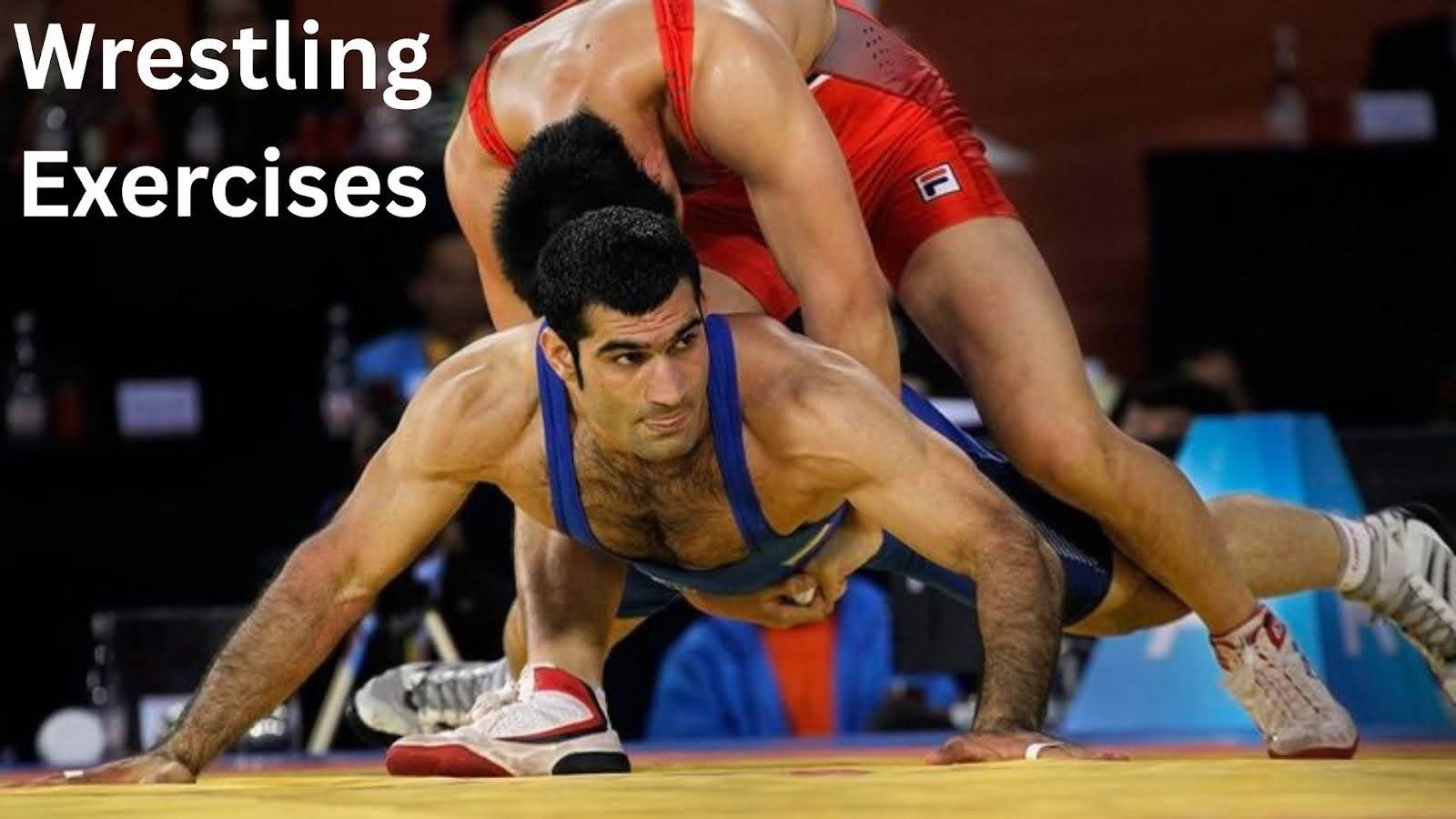
Technique alone won’t get you through wrestling. To be able to drive through takedowns, you will need raw strength to be able to last against your opponent. You will need muscular endurance, and to be able to change positions in the blink of an eye.
You will need explosive power. Every competition is a challenge to your body. In this guide, you will learn about the top wrestling exercises that result in genuine mat strength. Such movements prepare the athlete for power, stability, and conditioning.
These are necessary to be able to command the match from the very first to the last second. We can analyze the training that makes a difference between a good wrestler and a great one.
What Makes Wrestling Strength Unique?
Wrestling strength differs from general gym strength. You’re not just lifting weights in one plane of motion. You’re pushing, pulling, twisting, and exploding in every direction while an opponent fights back with equal force.
Your core must transfer power instantly between your upper and lower body. One leg might drive forward while the other stabilizes. Your grip holds while your hips generate force. Everything works together nothing works alone.
Traditional bodybuilding splits don’t cut it here. Wrestling exercises must build functional strength that shows up when you shoot for a leg, defend a throw, or fight through the final period when fatigue sets in.
The Demands of Wrestling
Every exchange on the mat demands total body engagement. You’re constantly driving through your legs, controlling with your arms, and stabilizing through your core. There’s no rest between movements, no time to reset your position perfectly.
Core stability becomes everything when you’re defending against throws or finishing takedowns. Your trunk must stay strong while your limbs move dynamically. Unilateral strength matters because you rarely push or pull with both sides equally during live wrestling.
Mental endurance runs parallel to physical stamina. When your muscles burn in the third period, your mind decides if you push harder or back off. The right conditioning prepares both body and brain for these moments.
Building Complete Wrestling Strength
Power gives you the blast impulse for penetration steps and explosive finishes. Without it, your shots lack the speed to beat defensive sprawls. Every successful takedown starts with legs that can generate force instantly.
Strength provides the control you need once positions are established. Upper body strength maintains underhooks and controls ties. Lower body strength keeps your base solid during scrambles and prevents opponents from breaking you down.
Endurance keeps everything working through six minutes of competition. Agility lets you recover balance after failed attempts and change positions when opportunities appear. All four qualities must develop together through the right wrestling exercises.
Top Wrestling Exercises for Strength and Power
These movements form the foundation of wrestling strength programs that produce results on the mat.
Squats (Front or Zombie Squat)

Front squats force your torso upright, building the trunk control needed during tie-ups and collar grabs. Your core works overtime to prevent collapse. This posture mirrors the positions you hold during actual wrestling.
Zombie squats take it further by removing your arms from the equation. Arms extended forward, the bar rests on your shoulders with nothing but core stability keeping you upright. Balance improves dramatically.
Both variations build explosive leg drive while teaching proper positioning. The mobility demands prepare your hips and ankles for deep stance work and level changes during wrestling exercises.
Deadlifts

Deadlifts develop pure posterior chain power. Your glutes, hamstrings, and back muscles create the hip drive that finishes single legs and sprawls against opponent attacks. This full-body tension translates directly to mat control.
The lockout phase builds the same strength pattern you use when lifting opponents or defending against lifts. Your entire backside learns to fire together as one unit.
Progressive loading with deadlifts builds confidence under heavy resistance. That mental toughness carries over when you need to move an opponent who doesn’t want to move.
Single-Leg Squat / Skater Squat

Bilateral lifts build general strength, but wrestling happens one leg at a time. Single-leg squats develop the unilateral power and balance you need during shots, when one leg drives while the other trails.
Skater squats specifically target the movement pattern of a penetration step. The rear leg position mimics your trail leg during a shot. Balance challenges increase as you lower yourself on one leg.
These wrestling exercises expose and fix strength imbalances between legs. The stabilization demands prepare you for the unpredictable balance challenges during live matches.
Rope Climb / Towel Pull-ups

Rope climbs build grip endurance that lasts through overtime periods. Your forearms and lats work continuously without rest, just like controlling wrist ties or maintaining hooks during extended exchanges.
Towel pull-ups create an even more demanding grip challenge. The thick, unstable surface forces maximum finger and hand engagement. This directly improves your ability to finish holds and maintain control positions.
The pulling strength developed through these movements helps you break opponent grips and maintain your own. Strong lats provide the pulling power needed for snatch singles and arm drags.
Handstand Push-ups / Banded Dumbbell Press

Shoulder strength determines your success in hand fighting and pummeling exchanges. Handstand push-ups build pressing power in the exact vertical plane you use when posting off opponent attacks.
The stability required during handstand work strengthens all the small stabilizer muscles around your shoulder joints. These muscles protect against injury during scrambles and awkward positions.
Banded dumbbell presses add accommodating resistance that increases at lockout. This matches the resistance curve of pressing against an opponent who’s actively defending. Both exercises prepare your shoulders for the constant battles in the neutral position.
Core and Grip: The Wrestler’s Power Center
Your core and grip form the connection point where all wrestling strength meets the opponent.
Core Strength Exercises
Ab wheels create intense anti-extension core work. As the wheel rolls out, your abs prevent your lower back from collapsing. This same bracing strength stops opponents from breaking you down to the mat.
Plank variations build isometric endurance in every plane. Side planks target the obliques used during lateral movement. Paloff presses teach anti-rotation strength that keeps your hips square during attacks.
Suitcase carries combine core stability with grip endurance. Carrying a heavy weight on one side forces your entire trunk to resist bending and rotating. These wrestling exercises build the transfer strength that connects the upper and lower body during throws.
Grip Strength Work
Farmer’s walks develop both dynamic grip and full-body tension. Walking with heavy weights requires your entire body to stabilize while your hands maintain crushing grip pressure for extended periods.
Thick-bar pulls magnify the grip demands of any pulling movement. Your fingers must work harder to maintain a hold. This increased difficulty builds the crushing grip needed to control an opponent’s wrists and clothing.
Plate pinches target pinch grip strength used when grabbing behind heads or controlling inside position. Hold heavy plates between thumb and fingers for time. Static holds build the endurance to maintain grips through fatigue.
Power Endurance and Conditioning for Wrestlers
Strength means nothing if you can’t repeat explosive efforts through six minutes of competition.
Hill Sprints / Assault Bike Tabata
Hill sprints force maximum effort against gravity. The incline demands powerful leg drive with every step. Recovery between sprints stays minimal, mimicking the work-to-rest ratios of actual matches.
Assault bike Tabata intervals create the specific conditioning pattern wrestling demands. Twenty seconds of all-out effort followed by ten seconds of light movement repeated for eight rounds. Your heart rate spikes and recovers repeatedly.
Both methods build the anaerobic endurance that powers repeated takedown attempts and scrambles. Mental toughness develops as you push through burning muscles and oxygen debt. These wrestling exercises prepare you for the third period when everyone’s tired.
Plyometrics and Explosive Drills
Box jumps teach your nervous system to generate maximum force rapidly. The stretch-shortening cycle mimics the explosive power needed during penetration steps and sprawls. Height progresses as power improves.
Single-leg bounds develop unilateral explosive power. Bounding from one leg to the other builds the same force pattern used when shooting across the mat. Distance and height both matter.
Power cleans tie everything together into one explosive movement. The triple extension of ankles, knees, and hips matches the biomechanics of finishing takedowns. Fast-twitch muscle fibers learn to fire maximally on command.
Common Mistakes in Wrestling Training
Even dedicated athletes waste time with approaches that don’t transfer to mat performance.
- Copying bodybuilding programs designed for size, not power: Isolated movements and slow tempos don’t build wrestling strength. Your training must include explosive, multi-joint wrestling exercises.
- Skipping grip and neck work entirely: These areas determine your ability to control opponents and avoid pins. Dedicate specific time to both weekly.
- Training only bilateral movements: Wrestling happens on one leg constantly. Include single-leg squats, lunges, and balance work in every session.
- Neglecting energy system conditioning: Strength without endurance fails in the third period. High-intensity intervals must complement your strength work throughout training cycles.
- Ignoring mobility and stability work: Strong muscles on unstable joints create injury risk. Include hip mobility, ankle stability, and rotational core work consistently.
Conclusion
Wrestling performance is the result of an all-around athletic development. Power, strength, endurance, and agility are the four aspects that weigh equally when the wrestling match starts. Not one of them can compensate for a weakness in the others.
Real mat strength comes from the consistent use of compound movements, explosive work, and sport-specific conditioning. The wrestling drills here make you strong in a way that your power will come to the competition, not just the weight room.
This is how you should work all year round with progressive loading and proper recovery. The increase in your strength will be the main reason why your takedowns, escapes, and the ability to finish matches when your opponents are getting tired will be stronger.
Frequently Asked Questions
What wrestling exercises build the most explosive power?
Power cleans, box jumps, and hill sprints develop explosive strength effectively. These movements train your fast-twitch muscle fibers to generate maximum force rapidly, improving your penetration steps and finishing ability during takedowns.
How often should wrestlers train in strength and conditioning?
Most wrestlers benefit from 3-4 strength sessions and 2-3 conditioning sessions weekly during the off-season. In-season training reduces to 2 strength and 2 conditioning sessions to balance recovery with mat practice and competition demands.
Are bodyweight exercises enough for wrestling strength?
Bodyweight exercises provide a foundation, but external resistance becomes necessary for continued strength gains. Combining bodyweight wrestling exercises with loaded movements like squats and deadlifts produces the best results for competitive performance.
What role does grip strength play in wrestling?
Grip strength determines your ability to control opponent’ wrists, break their grips, and maintain holds during extended exchanges. A strong grip prevents opponents from hand-fighting effectively and gives you advantages in tie-up situations.
Should wrestlers focus more on upper or lower body strength?
Both matter equally in wrestling. Lower body strength drives takedowns and sprawls, while upper body strength controls positions and finishes. Balanced development through full-body wrestling exercises produces the most complete mat strength.