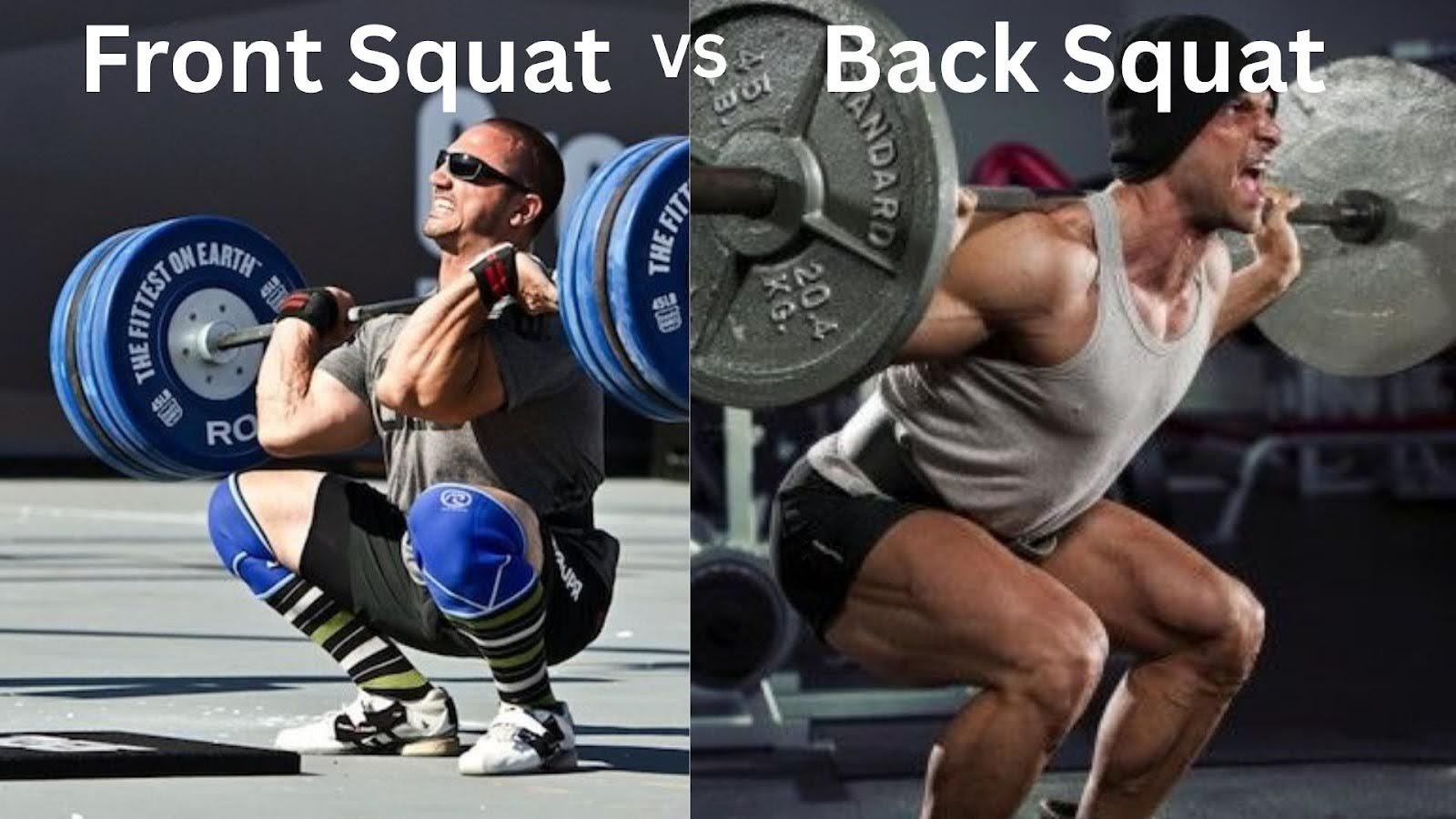
Maybe you have been standing in the gym with a confused look on your face, questioning which of the squat variations is actually worth your focus. Both the front and the back squat look very tough both of them help in gaining strength.
This article is not to decide which is better – front or back squat. Rather, it is a functional manual that helps you understand how the training result is influenced by where the bar is placed, the body posture, and the muscle activation.
After going through this article, you will know how to use both squats in a smart way. If you are working out for strength, size, or to improve athletic performance, knowing the differences will help you to move better, lift more efficiently, and become stronger in general.
Quick Answer: The Core Difference
Your bar position changes everything from which muscles work hardest to how your joints handle the load.
Front Squat

The front squat has always been one of my favorite lower-body lifts because it challenges strength, balance, and mobility all at once. Unlike the back squat, where the bar rests across your shoulders, the front squat positions the barbell on the front of your body, right across your collarbone and shoulders.
When I first switched from back squats to front squats, I immediately noticed how much more my quads were burning. That’s because front squats emphasize the quadriceps more than the glutes and hamstrings, helping you build those front thighs while still strengthening your entire lower body.
Over time, I found that front squats improved not just my leg strength but also my posture and core stability. The lift demands focus every rep teaches you to control the bar, stay tight through your midsection, and move with precision.
Back Squat

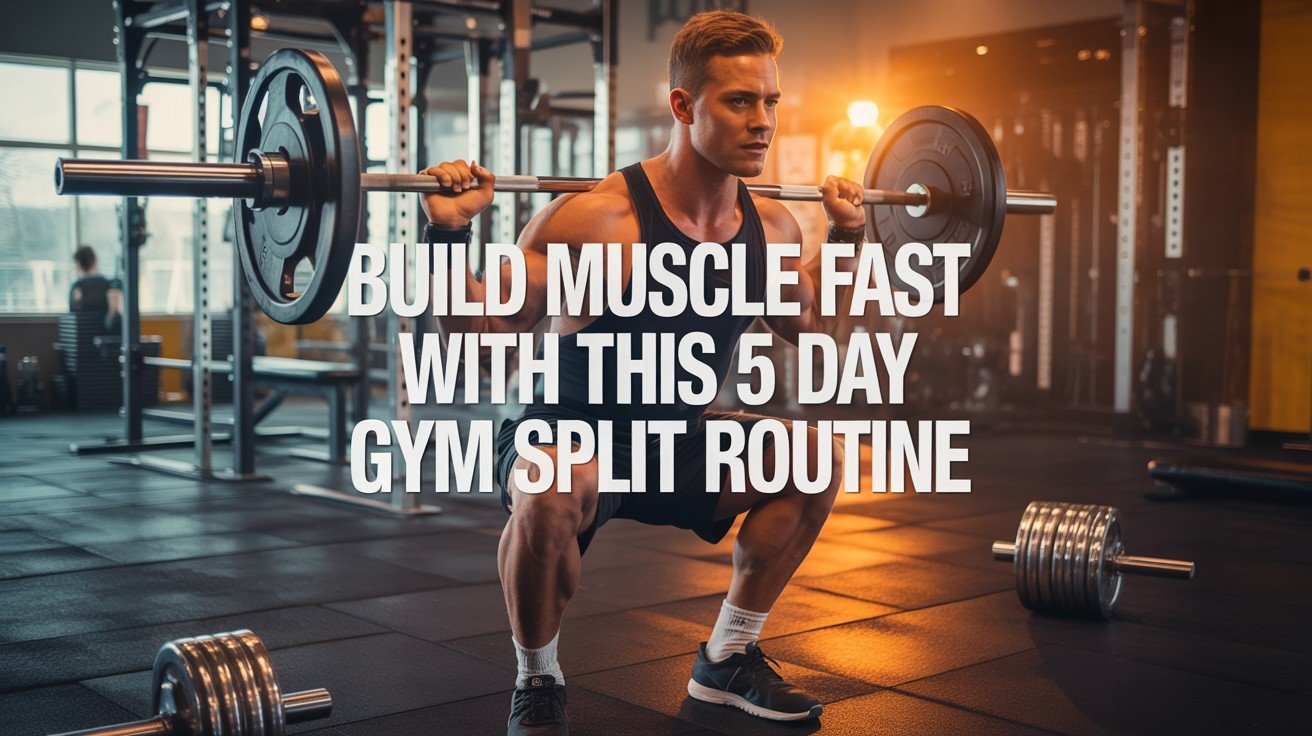
The back squat is the classic strength-builder, the one most people picture when they think of “squatting.” With the barbell resting across your upper back, this movement lets you lift heavier loads and recruit your biggest muscle groups: the glutes, quads, hamstrings, and lower back.
When I started focusing more on back squats, I realized how much they train not just the legs, but also the mind. The weight feels heavy, the setup requires focus, and every rep demands control from start to finish.
What I love most about the back squat is its versatility. Whether your goal is strength, muscle growth, or athletic performance, it fits right in. You can adjust your stance, tempo, and depth to target different areas of your lower body..y
Barbell Placement and Posture

One of the biggest differences between these two squats comes down to where the bar sits. In the front squat, the barbell rests across the front of your shoulders, forcing your torso to stay upright. This upright posture lights up your core and upper back like few other lifts can.
With the back squat, the bar sits on your upper back, allowing for a slight forward lean. It’s more comfortable for heavier weights, but also puts more pressure on your lower back and hips.
Once I learned how bar position affects posture and muscle engagement, everything clicked. It’s not about which squat is “better,” it’s about knowing how to use each one to your advantage.
Muscle Focus and Feel

The muscle activation difference is something you can feel almost instantly. Front squats hit your quads hard you’ll feel that deep, controlled burn in the front of your thighs. It’s an incredible way to develop balanced leg strength without overloading your lower back.
Back squats, on the other hand, shift more of the workload to your glutes and hamstrings. You’ll feel the power coming from your hips as you drive upward’s that classic “power stance” strength that translates to so many other lifts and sports movements.
Personally, I like alternating between the two. Front squats give me that athletic, upright feeling, while back squats remind me what true lower-body power feels like. The combination keeps my training balanced and my legs stronger than ever.
Core Engagement and Stability

If there’s one thing front squats teach you, it’s how to brace your core properly. Because the bar sits in front, any lapse in tension can cause it to roll forward, so your abs, obliques, and lower back are constantly working just to hold position.
Back squats still require strong core engagement, but the demand feels different. The challenge here is maintaining tension while balancing heavier loads on your back. It’s a test of both strength and stability.
Over time, I found that front squats built my core endurance, while back squats improved my overall bracing strength. Together, they’ve helped me feel more solid and confident in every other lift I do.
Biomechanical Breakdown: What Changes Between the Two
The way force travels through your body depends entirely on where you place the bar.
Barbell Placement and Torso Position
Barbell placement and torso position are what truly separate the front squat from the back squat, and understanding this difference can completely change how each lift feels. In the front squat, the barbell rests across the front of your shoulders, sitting on your collarbones with your elbows pointing forward.
With the back squat, the bar sits across your upper traps or rear delts, depending on whether you prefer a high-bar or low-bar style. This back-loaded position allows you to lean slightly forward as you descend, shifting more of the load to your hips and glutes.
Personally, I found that mastering bar placement and torso angle was a game-changer. The moment you understand how each setup affects your body mechanics, you stop just “doing squats” and start lifting with intention.
Muscle Activation Differences
The muscle activation in front and back squats feels completely different once you’ve spent some time under the bar. In the front squat, your quads take center stage. You’ll feel that deep burn in the front of your thighs almost instantly. Because the barbell sits in front of your body.
In contrast, the back squat shifts more of the load toward your posterior chain, your glutes, hamstrings, and lower back. The slightly forward torso angle lets you use your hips to drive out of the bottom position, building serious strength through your backside.
For me, the biggest takeaway was learning how each variation complements the other. Front squats helped me build quad strength and improve posture, while back squats boosted my overall power and stability.
Spinal and Joint Loading
Spinal and joint loading is one of the biggest factors that separates the front squat from the back squat, and it’s something I learned to pay close attention to over time. In the front squat, the bar is positioned in front of your body, and your torso stays more upright.
On the other hand, the back squat places the bar directly across your upper back, which naturally creates a forward lean. That lean increases the load on your spine and hips, making your lower back and posterior chain work harder to stabilize the movement.
From my own experience, understanding how each version loads your joints can help you train smarter. When I need to go heavy and build overall power, back squats are my go-to. But when I want to focus on leg development with less stress on my back, front squats take the lead.
Mobility Requirements
Mobility plays a huge role in how comfortable and effective your squats are. This is where front and back squats really start to differ. The front squat demands more mobility, especially in your wrists, shoulders, ankles, and upper back.
Back squats, on the other hand, are a bit more forgiving in terms of upper-body mobility. You don’t need the same shoulder or wrist flexibility, but they do require strong hip and ankle mobility to hit proper depth safely.
Personally, I’ve found that working on mobility for both variations has made a huge difference in my training. Front squats improved my posture and shoulder flexibility, while back squats helped me open up my hips and strengthen my lower body’s range of motion.
Balance and Stability Demands
Balance and stability are what make both squat variations so unique, and honestly, they feel completely different once you get under the bar. In the front squat, the barbell’s front-loaded position forces your body to stay perfectly upright.
The back squat, however, offers a more stable setup since the bar rests across your back and your center of gravity sits closer to your midline. This allows you to handle heavier weights.
For me, the biggest lesson has been that both squats build stability in their own ways. Front squats sharpen your control, coordination, and posture, while back squats strengthen your foundation and balance under heavy loads.
Advantages and Disadvantages of Front Squat
The front variation rewards proper form but punishes poor positioning faster than any other squat.
| Advantages | Disadvantages |
| Reduces spinal compression and shear stress better for lifters with lower back sensitivity or previous injuries | Requires significant shoulder, wrist, and thoracic mobility that many lifters lack initially |
| Forces upright torso mechanics that transfer directly to Olympic lifts and athletic movements | Limits the absolute load capacity you’ll lift, 15-30% less weight compared to back squats |
| Creates exceptional quad development through increased knee flexion angles and time under tension | The front rack position fatigues quickly, often ending sets before leg muscles reach failure |
| Builds serious core strength as your abs work constantly to prevent forward collapse | An uncomfortable bar position can cause collarbone bruising and breathing restrictions |
| Naturally self-correcting technique, you’ll dump the bar forward rather than get stapled under it | The steep learning curve makes initial sessions frustrating for beginners |
Advantages and Disadvantages of the Back Squat
The back squat’s biggest strength, load capacity, is also where most lifters get into trouble.
| Advantages | Disadvantages |
| Allows maximum weight progression, building raw strength faster than front squats | Higher spinal compression and shear forces increase injury risk with poor form or excessive loading |
| Develops powerful posterior chain glutes, hamstrings, and lower back respond strongly | Forward lean under heavy loads can compromise lumbar position and cause lower back strain |
| A more accessible starting position requires less mobility than front rack placement | Easier to develop compensation patterns that hide mobility limitations and create problems later |
| Versatile exercise with multiple bar positions (high bar, low bar) to match different body types | When form breaks down, you’re more likely to get pinned under the bar in a dangerous position |
| Feels more stable initially, helping beginners build confidence and neural patterns faster | Can create quad-dominant imbalances if not programmed alongside hip-hinge movements |
Performance and Goal Applications
Your training goal should determine which variation takes priority in your program.
For Strength Gains
When it comes to pure strength gains, the back squat usually takes the lead, nd I’ve definitely felt that in my own training. Because the bar rests on your back and your center of gravity is more balanced, you can typically move heavier loads compared to the front squat.
That said, front squats bring their own kind of strength development to the table. Even though you can’t lift as much weight, they build incredible core stability, upper back strength, and quad dominance, all of which carry over to other lifts like the clean, jerk, and even the back squat itself.
In my experience, the best approach isn’t choosing one over the other, but it’s using both strategically. Back squats help you build raw power and total-body strength, while front squats fine-tune your mechanics and build the supporting muscles that make heavy lifting safer and more efficient.
For Muscle Growth (Hypertrophy)
When your goal is muscle growth, both front and back squats can deliver impressive results, but they do so in slightly different ways. The back squat lets you move heavier loads, which creates more overall tension and volume on your glutes, hamstrings, and quads.
The front squat, meanwhile, shines when it comes to quad development and balanced muscle growth. Because it forces a more upright torso and greater knee flexion, it really isolates the quads and engages the core more deeply.
From my experience, combining both variations gives the best of both worlds. Back squats help you pack on size and overall mass, while front squats refine muscle shape, symmetry, and core strength.
For Sports and Functional Performance
When it comes to sports and functional performance, both front and back squats have their place, but they enhance movement in different ways. The front squat has a more upright torso and greater knee drive, which closely mimics athletic movements like sprinting, jumping, and quick directional changes.
The back squat, on the other hand, builds the kind of raw, foundational strength that translates to almost every athletic skill. Because it targets the glutes, hamstrings, and hips more heavily, it helps generate explosive power for jumping higher, running faster, and tackling harder.
From my experience, the best training plans use both. Front squats improve posture, agility, and coordination, while back squats develop raw strength and power output. Together, they create the perfect balance between controlled movement and athletic explosiveness.
For Rehab or Pain Management
When it comes to rehab or pain management, choosing between the front and back squat can make a huge difference in comfort and recovery. The front squat is generally the safer option if you’re dealing with lower back issues.
The back squat, while great for building strength, can be more demanding on the lower back and hips due to its forward-leaning torso position. That doesn’t mean it’s bad it just requires strong bracing and mobility to perform safely.
From experience, I’ve learned that pain-free training isn’t about avoiding squats it’s about choosing the right variation for where your body is at. Front squats help maintain strength without overloading sensitive areas.
Technique and Execution
Perfect practice beats heavy weight every single time with squats.
How to Do a Front Squat
- Set Up the Barbell: Start by setting the barbell on a squat rack at around chest height. Step up close, placing the bar across the front of your shoulders, just above your collarbones. Cross your arms over the bar (“cross-grip”) or use a clean grip with your fingertips under the bar and elbows pointing forward..
- Find Your Stance: Step back from the rack and set your feet about shoulder-width apart with your toes slightly pointed out. Keep your chest up, core tight, and eyes forward. This upright position is what makes the front squat unique.
- The Descent (Lowering Phase): Bend your knees and hips at the same time, lowering yourself in a controlled motion. Keep your elbows high and torso upright, ht imagine sitting straight down rather than leaning forward.
- The Ascent (Lifting Phase): Drive through your heels to return to the starting position. Keep your core tight and chest tall as you, and avoid letting your elbows drop, which could cause the bar to roll forward.
How to Do a Back Squat
- Setting Up the Bar: Start by adjusting the barbell on the rack so it sits just below shoulder height. Step under the bar and rest it comfortably across your upper back, not on your neck.
- Finding Your Stance: Stand with your feet about shoulder-width apart and your toes turned slightly outward. Keep your chest proud, your eyes focused straight ahead, and your core braced.
- Lowering into the Squat: Initiate the movement by pushing your hips back first, then bending your knees. Lower yourself slowly, keeping your chest tall and spine neutral. Aim to descend until your thighs are at least parallel to the floor.
- Driving Back Up: From the bottom, push through your heels and drive your hips forward as you return to standing. Exhale as you rise and squeeze your glutes at the top. Reset your core, take a breath, and prepare for the next rep.
Universal Technique Tips
- Control the eccentric: Lower yourself in 2-3 seconds rather than dropping fast. This builds strength through the full range and protects your joints from impact forces.
- Drive through your whole foot: Balance pressure across your heel, midfoot, and forefoot. Avoid shifting forward onto your toes or rocking back onto your heels exclusively.
- Pause at parallel: Occasionally, add 2-second pauses at your sticking point. This eliminates bounce reflex and forces your muscles to work harder in their weakest position.
- Film your sets regularly: What feels right often looks different on camera. Check bar path, knee tracking, and spinal position from side and front angles monthly.
- Warm up properly: Start with bodyweight squats, add the empty bar, then increase by 20-30% increments. Never jump straight to working weight-your nervous system needs preparation time.
Conclusion
To me, the discussion of front vs. back squat is a bit of a misunderstanding. They are not opponents, but rather, a pair of effective instruments that can be used separately or together. A front squat works to develop your core and posture.
It’s through my personal experience that I can say the greatest outcomes are when both are mixed with a sense of purpose. Your objectives, the state of your recovery, and even your mobility should determine which one is your dominant workout.
As a result of the journey of mastering both over time, I have been able to develop my legs in a balanced way and have a stronger lifting foundation. What got me deeper into the practice of each variation was the realization that real lower-body strength is not about.
Frequently Asked Questions
Can I Do Both Front and Back Squats in the Same Workout?
Yes, but sequence them strategically. Start with the more technical or priority lift when you’re fresh. Most lifters perform front squats first since they demand more concentration, then follow with back squats at moderate intensity.
Which Squat Variation Is Better for Bad Knees?
Front squats often feel better because they reduce posterior tibial shear. However, individual anatomy matters more than exercise selection. If either variation causes pain, reduce the range of motion, decrease the load, or try box squats.
How Much Less Weight Should I Use for Front Squats?
Most trained lifters use 70-85% of their back squat weight for front squats. Beginners might see larger gaps due to unfamiliar positioning and limited core strength. This difference isn’t a weakness it reflects the biomechanical demands.
Do Front Squats Build Glutes as Well as Back Squats?
Front squats activate your glutes but emphasize them less than back squats. The upright torso reduces hip flexion, limiting glute stretch and contribution. For maximum glute development, prioritize back squats, hip thrusts, and Romanian deadlifts.
Should Beginners Start With Front or Back Squats?
Most beginners progress faster with back squats initially. The position feels more natural and requires less mobility. Goblet squats provide an excellent front-loaded introduction before transitioning to barbell front squats.