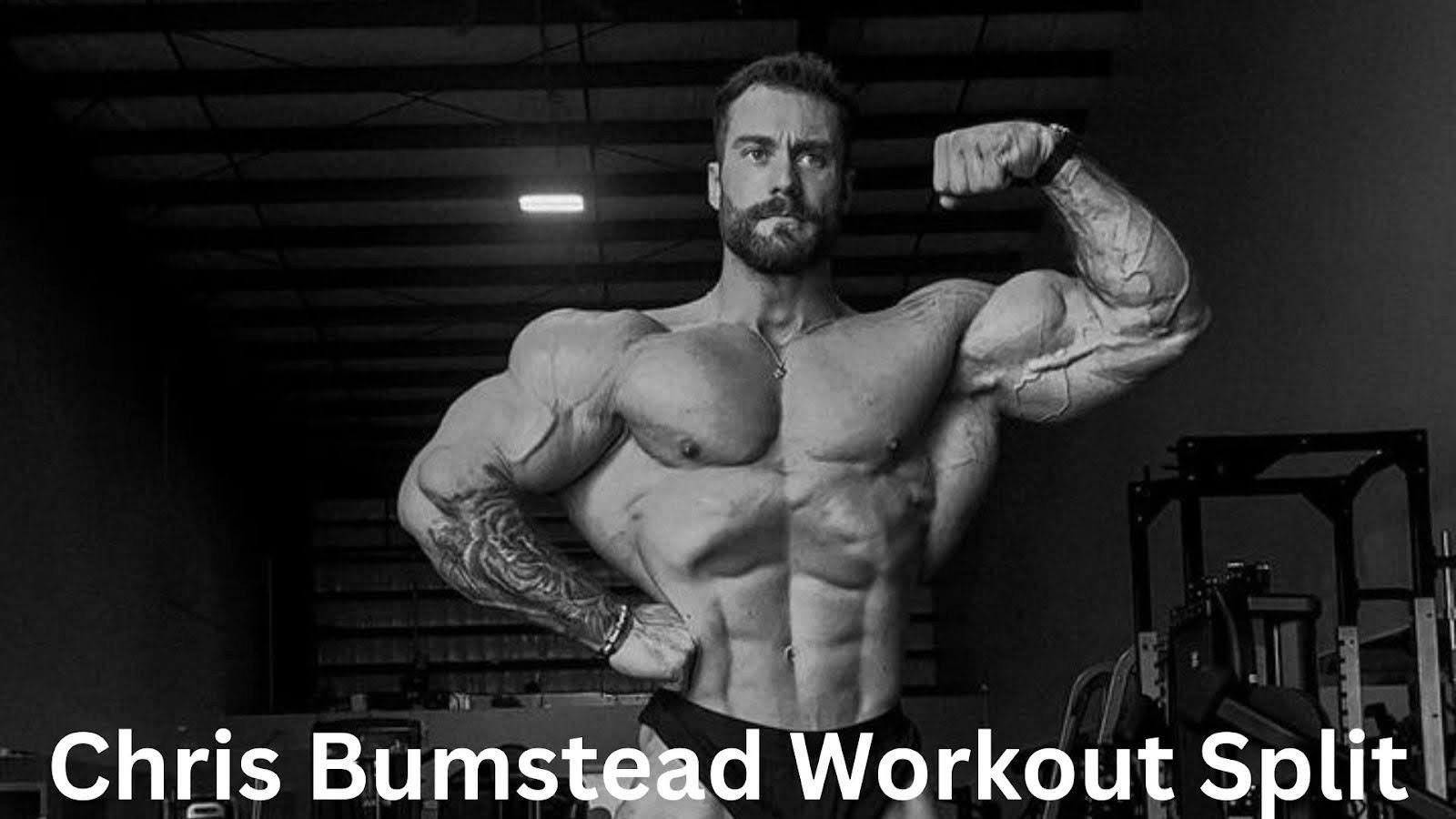
What if you were able to work out the same way as a five-time Mr. Olympia champion? In the fitness industry, Chris Bumstead, or “CBum” as he is commonly referred to, has literally changed the way we perceive the construction of a classic physique.
CBum was able to accomplish this feat of winning the Mr. Olympia Classic Physique title five times in a row from 2019 to 2023. His symmetry and conditioning have become the ultimate standards in bodybuilding.
Here is what Cbum’s training routine looked like in this article. Beyond the stage, his influence is huge. Chris, through different social media platforms and YouTube, has brought the most advanced training to be very easy and simple for common gym-goers.
What Is the Chris Bumstead Workout Split?
The Chris Bumstead workout split is a structured 5-day training program that dedicates each session to specific muscle groups. This approach allows for focused, intense work on individual body parts while providing adequate recovery time.
This split maximizes muscle growth through targeted volume and frequency. Each muscle group receives dedicated attention once per week with sufficient intensity to stimulate hypertrophy.
The structure allows you to push hard during each session without compromising recovery.
The program balances training stress with rest periods strategically. By spreading workouts across five days, you maintain high intensity while avoiding the burnout that comes from training too frequently.
The 5-Day Workout Split Overview and Benefits
A well-designed training split serves as the foundation for building an impressive physique through strategic muscle group distribution and recovery optimization.
Core Concept
The structure includes five days of focused resistance training paired with two complete rest days for recovery. Each training session lasts 60-90 minutes and targets specific muscle groups. This allows you to dedicate maximum energy and attention to the muscles being worked.
The two rest days aren’t just breaks& they’re when your muscles actually grow. During training, you create micro-tears in muscle fibers. Rest days allow these fibers to repair and come back stronger.
This framework provides flexibility while maintaining structure. You can schedule training days according to your lifestyle, as long as you maintain consistency. The key is ensuring adequate recovery between sessions targeting the same muscle groups.
Key Benefits
Training frequency increases with the thChris Bumstead workout split, hitting each muscle group with optimal weekly volume. More frequent training sessions mean more opportunities to stimulate muscle protein synthesis.
Greater isolation for specific body parts addresses imbalances and lagging muscles. When you dedicate an entire session to one muscle group, you can attack it from multiple angles. This comprehensive approach ensures balanced development across your entire physique.
Better recovery comes from distributing training volume across the week. Your central nervous system and individual muscle groups get adequate rest between sessions. This adaptability makes the program suitable for different fitness levels& beginners can start with lighter weights.
Who It’s Best For
Intermediate to advanced lifters seeking serious physique improvement will benefit most from this program. You should have at least one year of consistent training experience and solid form on compound movements.
Those with consistent schedules and disciplined recovery habits will see optimal results. The program demands regular gym access five days per week. You also need to prioritize sleep, nutrition, and stress management to support the training load.
If you’re newer to lifting, consider starting with a full-body or upper/lower split first. Build your base of strength and conditioning for 6-12 months before transitioning to this more advanced program.
Chris Bumstead’s Training Principles
Chris has built his championship physique on fundamental principles that guide every workout and create consistent progress over years of training.
Compound First Approach
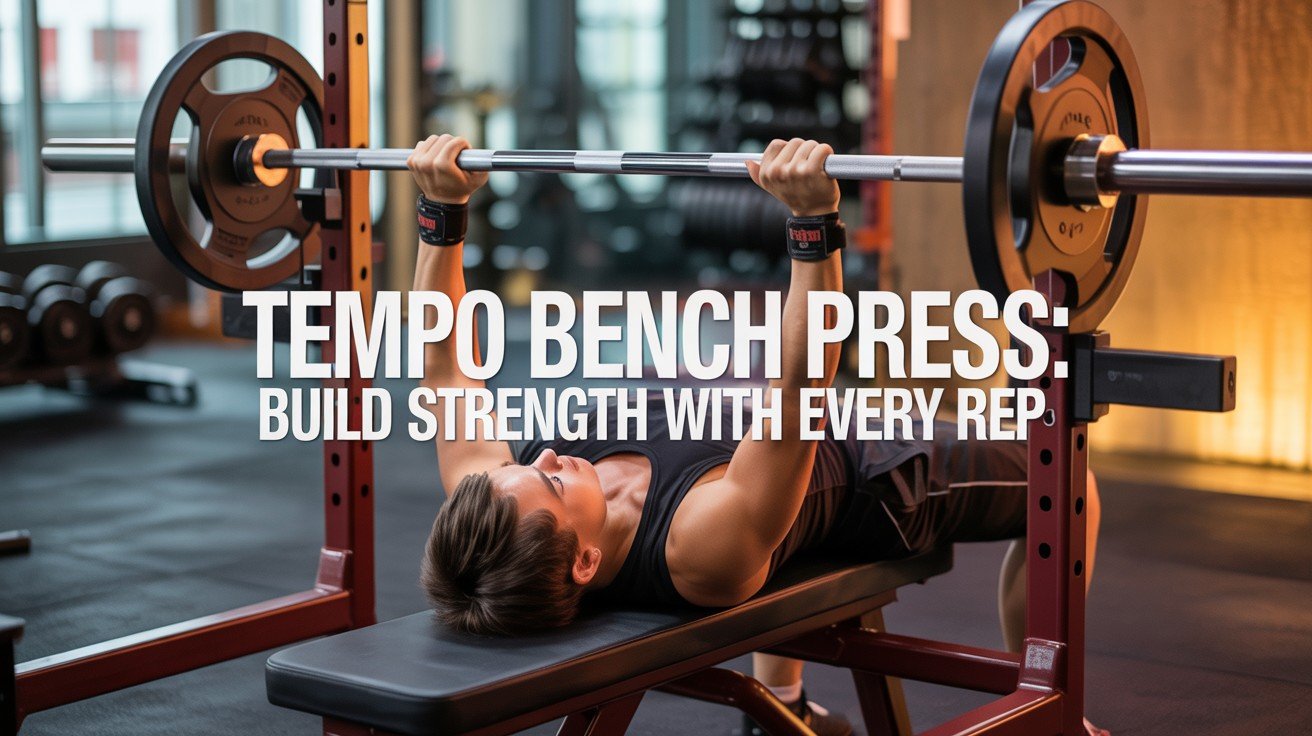
Bench press, squats, and deadlifts form the foundation of Chris’s training program. These multi-joint movements recruit the most muscle mass and create the greatest stimulus for growth. They also build functional strength that carries over to all other exercises.
Starting each session with compound movements takes advantage of your fresh energy levels. When you’re strongest at the beginning of your workout, you can move heavier weights safely. This creates maximum muscle fiber recruitment and the strongest growth signal.
Compound exercises also boost hormonal responses that support muscle building. Heavy squats and deadlifts in particular create a whole-body anabolic environment. This systemic effect benefits not just the muscles being worked, but your entire physique.
Train With Intensity
The Chris Bumstead workout split incorporates drop sets, supersets, and progressive overload to push muscles beyond their comfort zone. Drop sets involve reducing weight after reaching failure and continuing for more reps.
Progressive overload, gradually increasing weight, reps, or volume over time, drives continuous adaptation. Your muscles must be challenged beyond their current capacity to grow stronger. Track your workouts and aim to improve performance consistently.
Intensity doesn’t mean reckless training or ignoring form. It means controlled effort at the edge of your capabilities. Push close to failure on working sets while maintaining technique. This balance between intensity and control produces results without unnecessary injury risk.
Mind Muscle Connection
Focus on controlled movements and full contractions rather than just moving weight from point A to point B. Feel the target muscle working throughout each repetition. This conscious engagement ensures the right muscles are doing the work.
Slow down the eccentric (lowering) phase of each exercise. This creates more time under tension and greater muscle damage, both key stimuli for growth. Control the weight rather than letting gravity do the work.
Squeeze hard at the peak contraction of each movement. Whether it’s the top of a bicep curl or he bottom of a squat, maximizing muscle tension at this point enhances activation. Quality contractions build quality muscle over time.
Optimize Recovery
Nutrition, rest, and sleep form the recovery triangle that supports your training efforts. Adequate protein intake (0.8-1g per pound of body weight) provides building blocks for muscle repair. Carbohydrates replenish glycogen stores and fuel intense workouts.
Rest days allow both muscular and neurological recovery. Your central nervous system needs breaks from heavy training just like your muscles do. Active recovery activities like walking or light stretching can aid this process without creating additional stress.
Sleep is where the magic happens for 7-9 hours per night. During deep sleep, growth hormone release peaks and muscle protein synthesis accelerates. Consistently poor sleep undermines even the best training program and nutrition plan.
Consistency Over Time
Sustainable progress comes through discipline and tracking rather than sporadic, intense efforts. Following the Chris Bumstead workout split consistently for months and years produces dramatic changes. Short bursts of motivation fade, but disciplined habits compound over time.
Keep a training log to record exercises, weights, sets, and reps. This data reveals patterns and progress that motivate continued effort. You’ll see how far you’ve come when you look back at earlier workouts.
Accept that progress isn’t linear. Some weeks you’ll feel strong, others you won’t. Stay consistent through the fluctuations. The lifters who show up regularly, even on difficult days, are the ones who build impressive physiques.
Chris Bumstead 5-Day Workout Split
Here’s a detailed breakdown of how Chris structures his weekly training, with each day targeting specific muscle groups for maximum growth.
Day 1: Chest

Chest day kicks off the week with a combination of pressing and fly movements that build thickness and width. Incline barbell press targets the upper chest, which is often underdeveloped.
Dips emphasize the lower chest while also engaging triceps and shoulders. Cable fliess provides constant tension throughout the movement, focusing on the stretch and contraction. Finishing with push-ups to failure creates a final pump and ensures complete muscle exhaustion.
Aim for 3-4 sets of 8-12 reps on pressing movements and 10-15 reps on isolation exercises. Rest 90-120 seconds between compound movements and 60-90 seconds for accessories. Focus on feeling the chest muscles working rather than just moving the weight.
Day 2: Back

Back training begins with deadlift, ft, the king of posterior chain exercises. Pull-ups follow, targeting lat width and upper back thickness. Both exercises recruit massive amounts of muscle and create significant growth stimulus.
Rows in various forms (barbell, dumbbell, cable) build mid-back thickness. Lat pulldowns with different grips attack the lats from multiple angles. Seated cable rows finish the session with focused mid-back work.
Execute 3-4 sets of 6-8 reps on deadlifts, 8-12 reps on rows and pull-ups, and 10-15 reps on pulldowns. Maintain a slight arch in your lower back throughout rowing movements. Retract your shoulder blades fully at the end of each rep.
Day 3: Rest / Active Recovery

Complete rest allows your body to repair and adapt to the training stress from the first two days. Your muscles grow during recovery, not during workouts. This day is as important as any training session.
Active recovery options include light cardio, stretching, or mobility work. A 20-30 minute walk improves blood flow without creating training stress. Foam rolling and stretching address tight muscles and improve movement quality.
Focus on nutrition and hydration on rest days. Your body needs adequate calories and protein to repair muscle tissue. Don’t drastically cut calories just because you’re not training& recovery requires energy.
Day 4: Legs

Leg day demands maximum effort and mental toughness. Squats build overall leg mass and strength. Leg press allows for heavy loading without the same technical demands as squats.
Romanian deadlifts target hamstrings and glutes with a hip-hinge pattern. Leg extensions isolate the quadriceps, while leg curls hit the hamstrings. Calf raises ensure lower leg development doesn’t lag.
Perform 3-4 sets of 6-10 reps on squats and leg press, 8-12 reps on Romanian deadlifts, and 10-15 reps on isolation movements. Leg training should leave you exhausted. This is the largest muscle group and requires significant effort.
Day 5: Shoulders and Traps

Shoulder training builds the width and roundness that create an impressive physique. The overhead dumbbell press provides balanced development for all three deltoid heads. Lateral raises target the side delts, which create shoulder width.
Rear delt flys address the often-neglected posterior deltoids. Shrugs build trap mass and thickness. Face pulls serve double duty, working rear delts and upper back while improving shoulder health.
Complete 3-4 sets of 8-12 reps on presses and 10-15 reps on isolation movements. Shoulders respond well to moderate weight and higher volume. Avoid ego lifting on lateral raises& strict form with lighter weights works better.
Day 6: Arms

Arm day directly targets biceps and triceps with dedicated volume. Close-grip bench press builds tricep mass while maintaining pressing strength. Barbell curls remain the standard for bicep development.
Skull crushers isolate the triceps with significant stretch and contraction. Hammer curls target the brachialis and add arm thickness. Tricep pushdowns allow for high-rep finishing work and a massive pump.
Execute 3-4 sets of 8-12 reps on compound movements and 10-15 reps on isolation exercises. Superset opposing muscle groups (biceps and triceps) to maximize efficiency. Focus on the pump and contraction rather than maximum weight.
Day 7: Rest

The second rest day allows full recovery before starting the cycle again. Six days of training result in significant fatigue and require complete rest. This day prepares you mentally and physically for another hard week.
Use this time for meal prep, planning your upcoming workouts, or other recovery activities. Review your training log and set goals for the coming week. Mental preparation is just as important as physical recovery.
Listen to your body if you’re feeling particularly worn down& consider adding a hard rest day occasionally. The Chris Bumstead workout split is demanding, and sometimes extra recovery prevents overtraining and injury.
Targeting Weak or Lagging Muscle Groups
Even with balanced programming, some muscle groups may develop more slowly than others, requiring strategic adjustments to bring up weak areas.
Strategic Volume Increases
Increased volume and focused activation address underdeveloped muscles effectively. Add an extra set or two to exercises targeting weak points. For example, if your hamstrings lag behind your quads, perform an additional hamstring exercise.
Frequency adjustments can also help train a lagging muscle group twice per week instead of once. Add light, high-rep work for the weak area on another training day. This increased stimulus often sparks new growth.
Prioritize weak areas by training them first in your workout when energy is highest. If your shoulders are a weak point, start shoulder day with lateral raises instead of presses. This ensures maximum effort goes toward the muscles that need it most.
Exercise Selection and Intensity
Adjusting exercises or intensity for underdeveloped muscles creates new growth stimulus. If an exercise isn’t working for a particular muscle, try alternatives. Different angles and movement patterns can activate muscles more effectively.
Intensity techniques like drop sets and supersets enhance stimulation for stubborn muscles. These methods increase time under tension and metabolic stress, both powerful growth signals. Use them strategically on exercises targeting weak areas.
Progressive overload remains critical even for lagging muscles. Track performance on exercises targeting weak points and push for improvement. Gradual increases in weight or reps ensure continued adaptation and growth.
Tips for Common Challenges and How to Overcome Them
Following the Chris Bumstead workout split consistently brings challenges that require smart strategies to maintain long-term progress.
- Overtraining and Fatigue: Listen to your body’s signals, including persistent soreness, decreased performance, poor sleep, and irritability. If you notice multiple symptoms, take an extra rest day.
- Insufficient Recovery: Optimize nutrition by consuming adequate protein (0.8-1g per lb bodyweight) and calories slightly above maintenance. Prioritize sleep by maintaining consistent bed and wake times, creating cool, dark bedroom environment.
- Risk of Injury: Maintain proper form and technique by filming your sets periodically. Warm up thoroughly before heavy lifting with 5-10 minutes of light cardio and dynamic stretching. Never sacrifice form to add weight to ego lifting.
- Long-Term Sustainability: Adjust training frequency if five days become too demanding due to life circumstances. A well-designed 3- or 4-day split can maintain muscle mass effectively.
- Plateau Breaking: When progress stalls, change training variables like rep ranges, exercise selection, or rest periods. Sometimes your body adapts to a specific stimulus and needs variation.
Conclusion
More than just a workout plan powerful mind muscle connection, the Chris Bumstead workout split is essentially a system of values that includes discipline, focus, and clever programming. As you implement these ideas of compound movements, progressive overload, and planned progression.
By devoted effort, good recovery, and correct execution, you can become both strong and visually appealing like CBum'&s classic physique, which is the way of his split. The split is arranged in such a way that each muscle group is worked to the maximum without the risk of overtraining due to the inclusion of proper rest periods.
Always remember and pay attention to it, tailor the plan to your body’s unique requirements, and at the same time, keep the continuity. Recovery is not the same for everyone, and each person may respond differently to the training volume.
Frequently Asked Questions
How long should I follow the Chris Bumstead workout split?
Follow the program for at least 8-12 weeks before evaluating results and making changes. Muscle growth requires consistent stimulus over extended periods. Track your progress through measurements, photos, and strength gains.
Can beginners use the Chris Bumstead workout split?
Beginners should build a foundation first with full-body or upper/lower splits for 6-12 months. The volume and intensity of this five-day program require proper form, conditioning, and recovery capacity.
What should I eat while following this workout split?
Consume adequate protein (0.8-1g per pound bodyweight), moderate carbohydrates for energy, and healthy fats for hormones. Eat slightly above maintenance calories (200-500 surplus) for muscle growth or at maintenance for recomposition. Time your largest carbohydrate meals.
How do I know if I’m overtraining on this split?
Watch for persistent fatigue, declining performance, poor sleep quality, increased resting heart rate, and frequent illness. Overtraining also causes irritability, loss of motivation, and constant muscle soreness.
Can I add cardio to the Chris Bumstead workout split?
Yes, add 2-3 cardio sessions weekly on rest days or after weight training. Keep cardio moderate intensity (20-30 minutes) to avoid interfering with recovery. Low-impact options like walking, cycling, or swimming work well. Increase food intake to compensate for additional calorie expenditure.