Your shoulders do a lot of work every day. They lift, push, pull, and rotate. When they’re weak or unstable, injuries happen. That’s why I’m sharing exercises for shoulder stability to prevent injury that actually work.
In this guide, you’ll learn why shoulder stability matters, who needs these exercises, and how to do them safely. I’ll walk you through each movement step by step.
I’ve worked with people of all fitness levels for over a decade. I’ve seen how proper shoulder training prevents painful injuries and keeps people active. These exercises can help you too. Let’s get started.
Why Shoulder Stability Is Important
Strong, stable shoulders keep you safe during daily activities and sports. When your shoulder muscles work together properly, your joints stay in place. This prevents pain and injury.
Your shoulder is a ball-and-socket joint. The ball sits in a shallow socket. This gives you lots of movement but makes your shoulder easy to injure. When muscles are weak, the ball can slip out. That’s a dislocation.
Poor posture weakens your shoulder muscles. Repetitive overhead movements wear down tissues. Weak rotator cuff muscles can’t protect your joint.
Stability exercises train your muscles to hold your shoulder in the right position. They improve coordination and build endurance. This keeps your shoulders strong and protected.
9 Exercises That Improve Shoulder Stability
These seven movements target all the key muscles that stabilize your shoulder. Do them regularly to build strength and prevent injuries.
1. Internal Rotation Exercise

This exercise strengthens the front part of your rotator cuff.
Stand with your elbow bent at 90 degrees and keep it against your side. Hold a resistance band or light weight.
Rotate your forearm across your body, moving only your forearm while your elbow stays still. Return slowly to the starting position.
Focus on rotator cuff control and move smoothly. This helps stabilize forward shoulder movement and protects you during pushing and throwing motions.
2. External Rotation Exercise

This movement targets the back part of your rotator cuff.
Stand with your elbow bent at 90 degrees and keep it against your side. Hold a resistance band or light weight.
Rotate your forearm away from your body while your elbow stays still. Return slowly to start and control the movement.
This strengthens your posterior rotator cuff and improves joint control and posture. Strong external rotators pull your shoulders back into good alignment.
3. Wall Angels
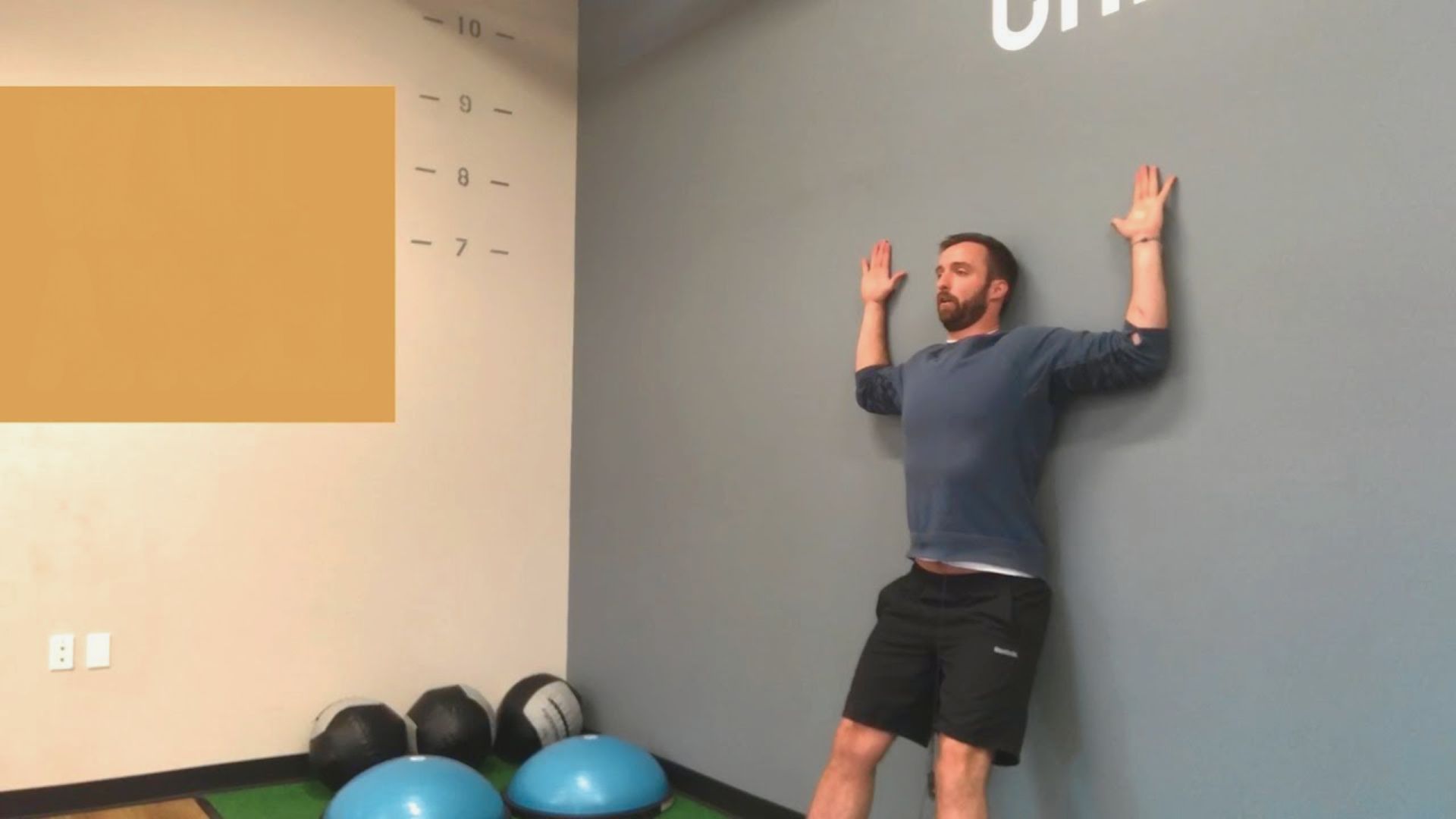
This exercise teaches proper overhead shoulder mechanics.
Stand with your back against a wall and press your lower back, upper back, and head against it. Raise your arms to shoulder height and bend your elbows at 90 degrees. Your elbows and backs of your hands touch the wall.
Slowly slide your arms up the wall, keeping everything in contact. Slide as high as you can without arching your back, then lower back down with control.
This enhances scapular alignment and improves overhead shoulder mechanics.
4. Serratus Push-Ups
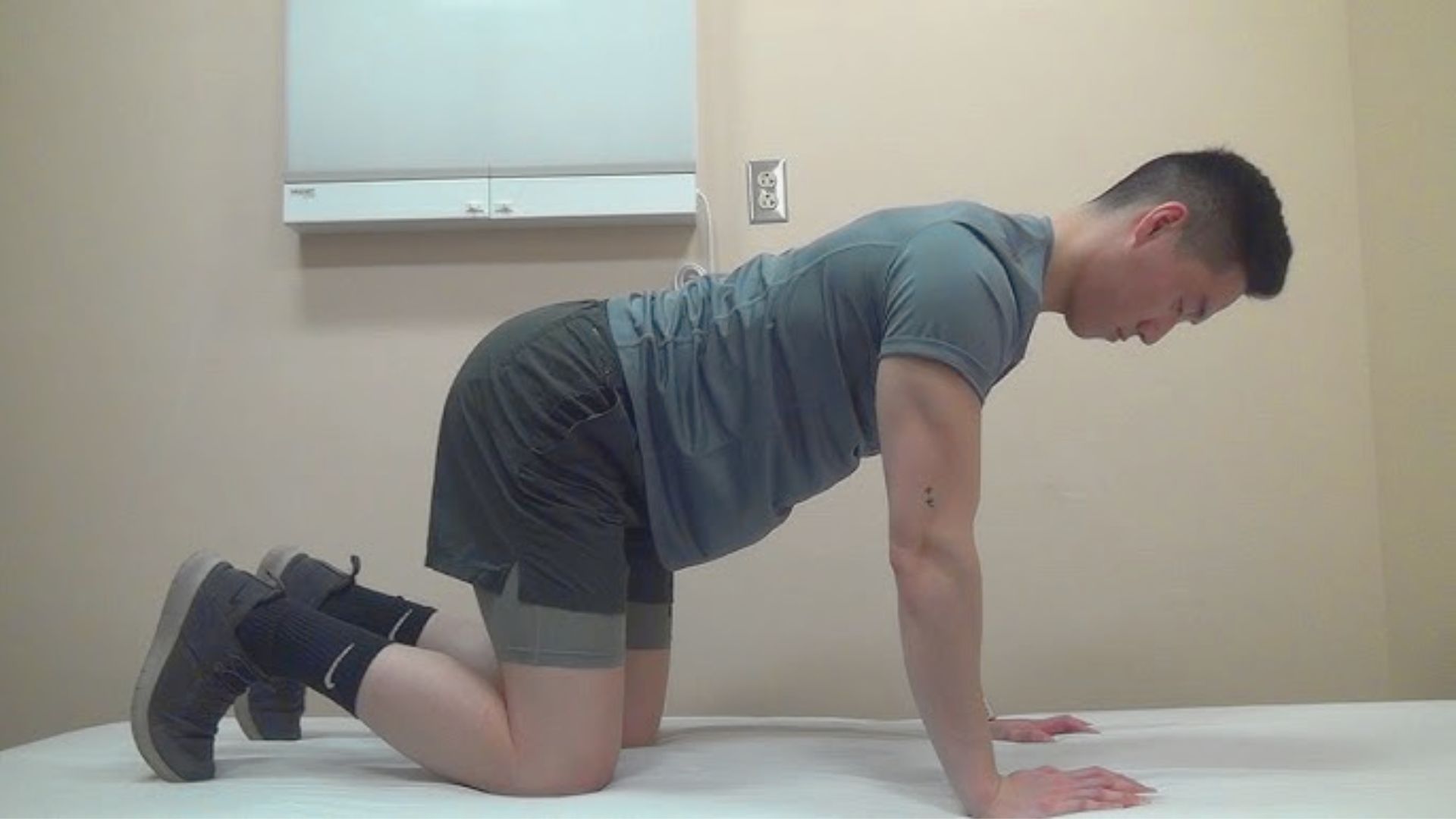
This movement activates an important but often forgotten muscle.
Start in a push-up position with your arms straight and your body forming a straight line. Without bending your elbows, let your shoulder blades come together so your chest sinks slightly.
Now push your shoulder blades apart and your upper back rounds slightly. You should feel your shoulders spreading wide.
This activates your serratus anterior and provides dynamic shoulder blade stability during movement.
5. Standing Scapular Retraction (T Raises)
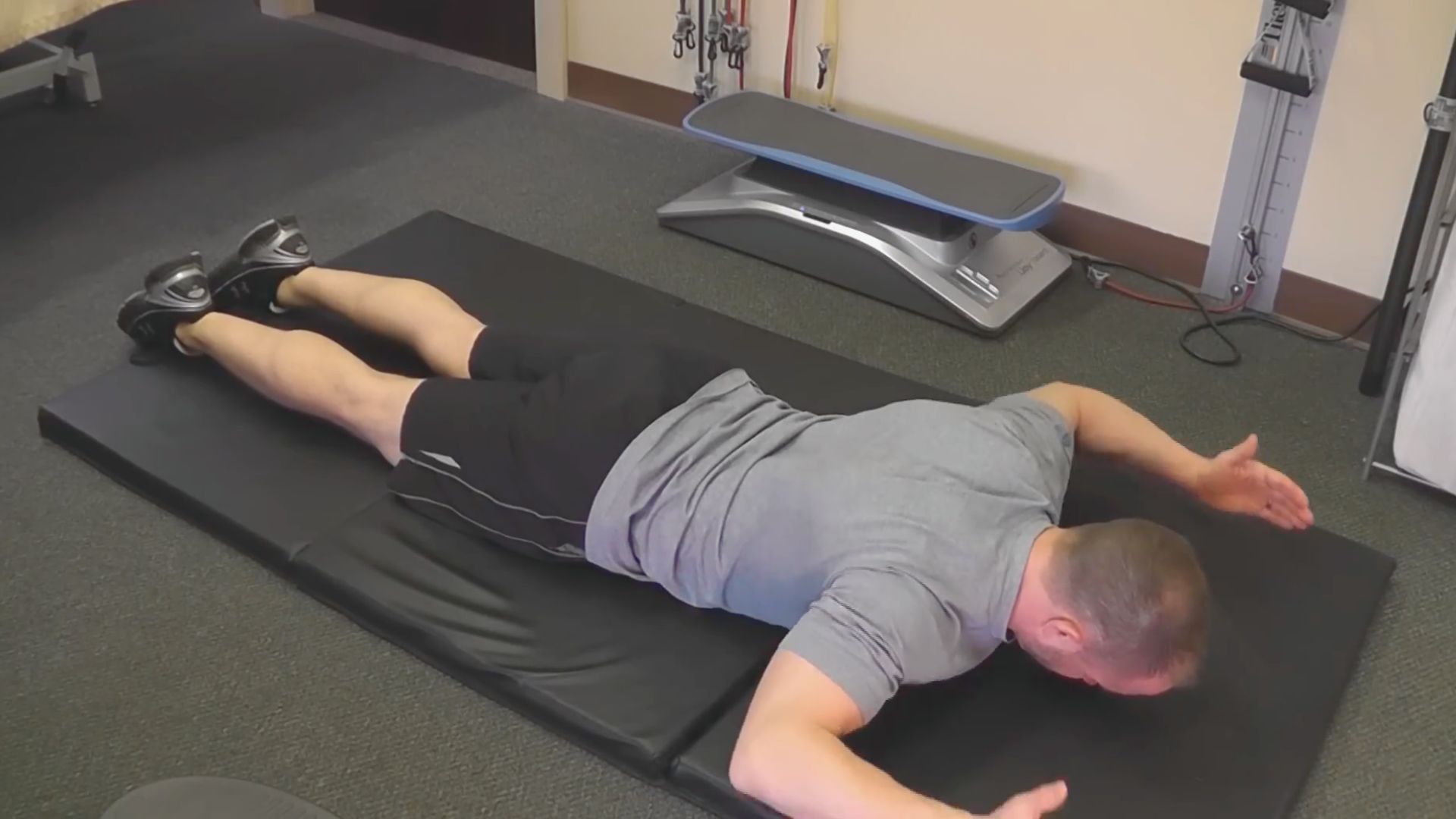
This exercise strengthens the muscles between your shoulder blades.
Stand with your arms out to the sides at shoulder height, making a T shape with your body. Squeeze your shoulder blades together and pull them back and down without shrugging. Hold for 2 seconds and release slowly. You can hold light weights to make this harder.
This strengthens your mid-back and shoulder stabilizers, prevents rounded shoulders, and improves your posture throughout the day.
6. Lateral Shoulder Raises (Controlled T Raise)
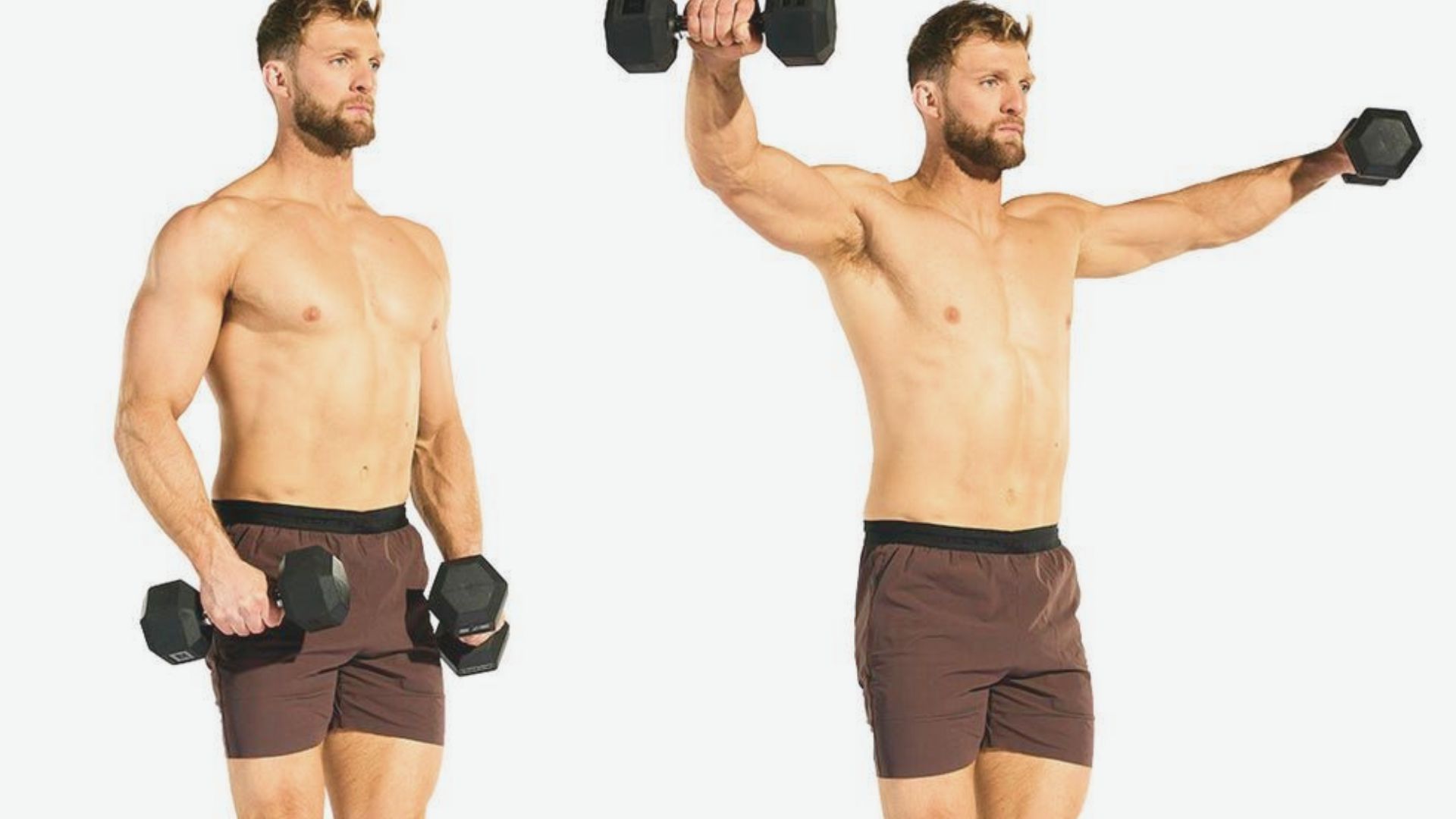
This movement builds endurance in your shoulder muscles.
Stand with your arms at your sides and hold light weights or no weight. Slowly raise your arms out to the sides and stop at shoulder height.
Your body makes a T shape. Hold for 1 second at the top and lower slowly with control. Keep your shoulders down and don’t shrug them up.
This builds shoulder endurance and reduces stress during overhead motion.
7. Cross-Body Shoulder Stretch
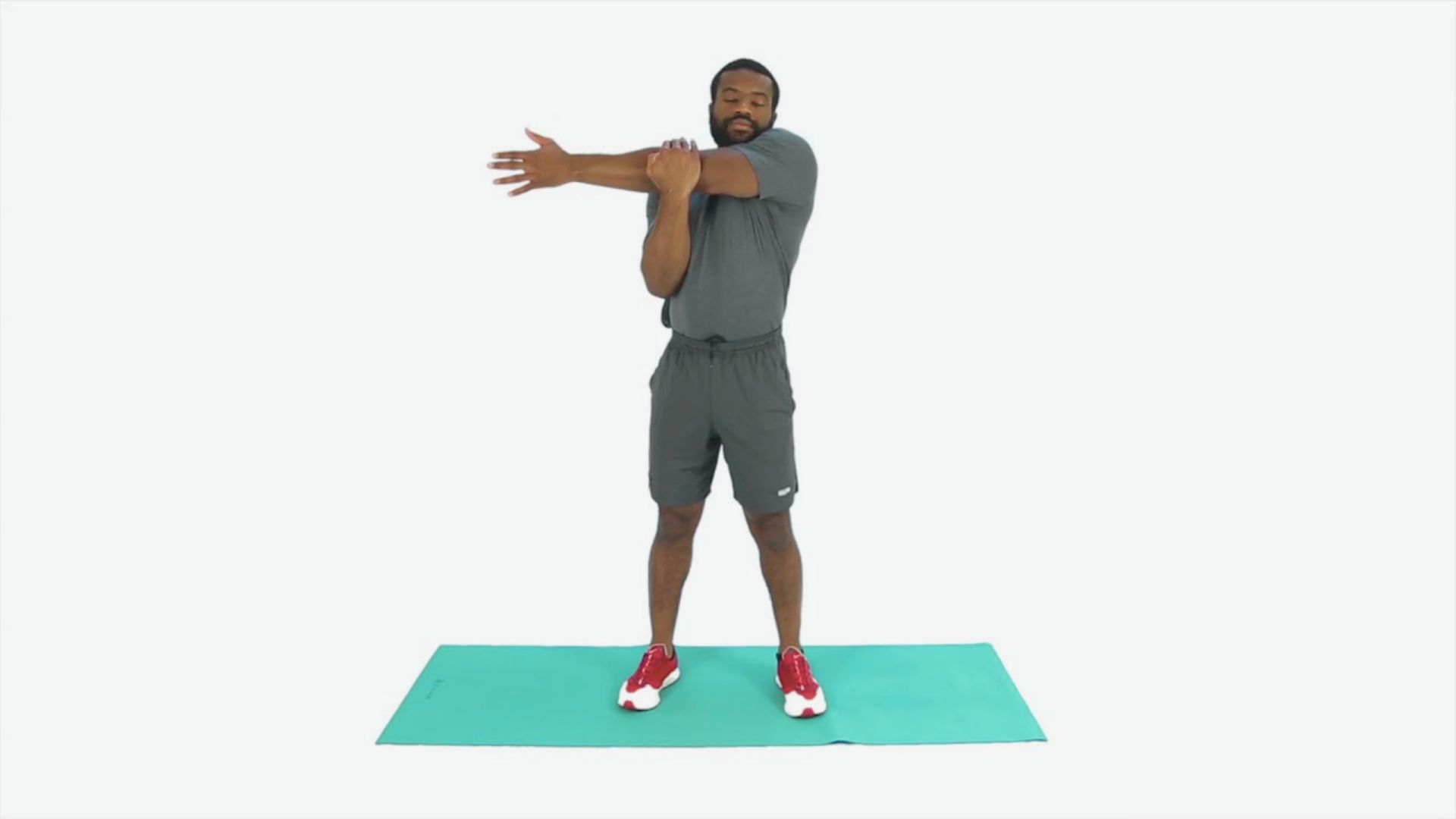
This stretch keeps your shoulder flexible and healthy.
Stand or sit with good posture and bring your right arm across your chest. Use your left hand to gently pull your right arm closer to your body.
You should feel a stretch in the back of your right shoulder. Hold for 20 to 30 seconds without bouncing, then repeat on the other side.
This improves posterior shoulder flexibility and maintains safe range of motion.
8. Band Pull-Aparts
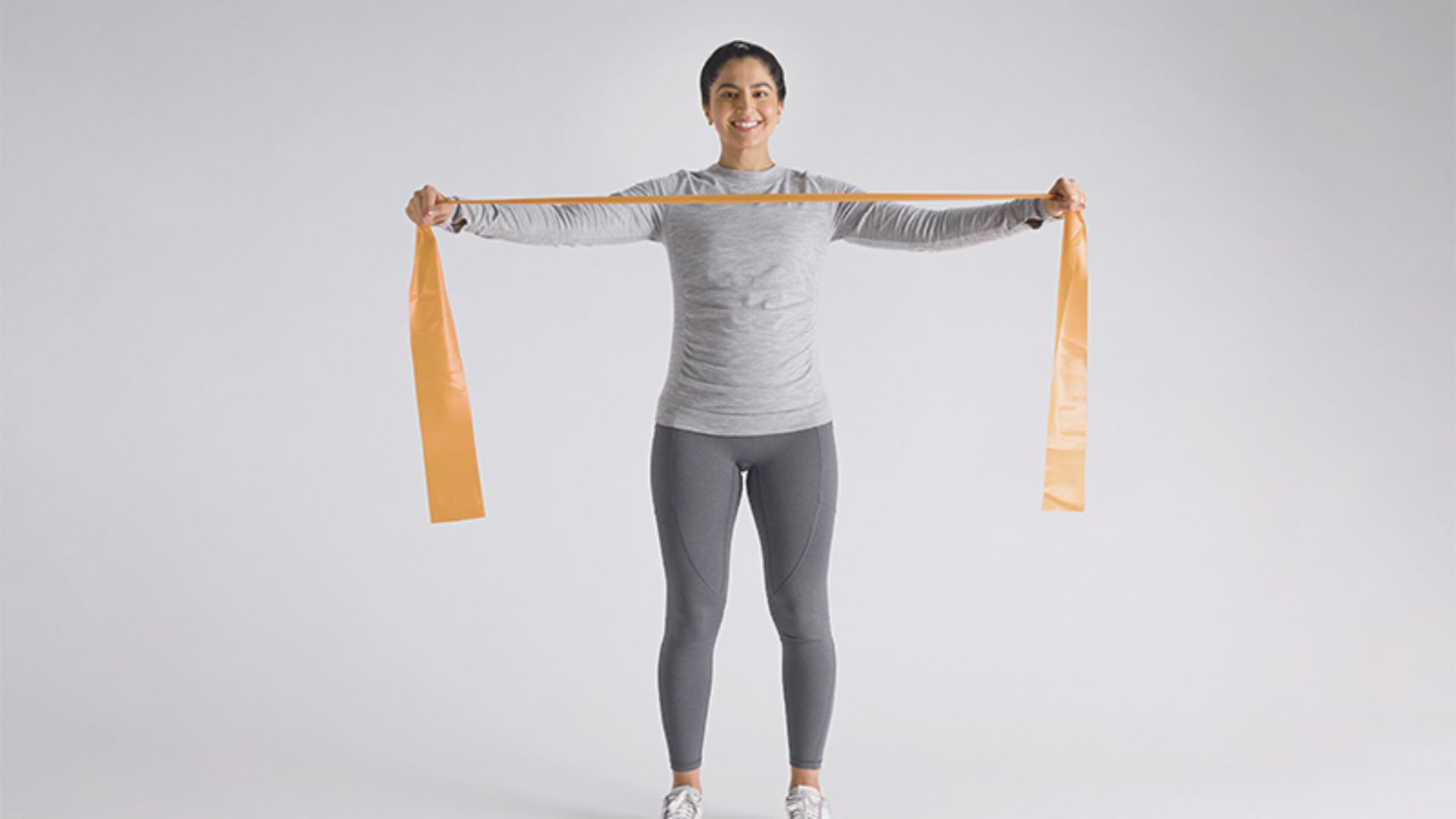
This exercise targets the rear shoulder muscles and upper back.
Hold a resistance band with both hands at chest height. Your hands should be shoulder-width apart. Keep your arms straight and pull the band apart by moving your hands out to the sides. Squeeze your shoulder blades together at the end. Return slowly to the starting position with control.
This strengthens the muscles that pull your shoulders back. It corrects rounded shoulder posture and balances out chest muscles that pull your shoulders forward.
9. Prone Y Raises
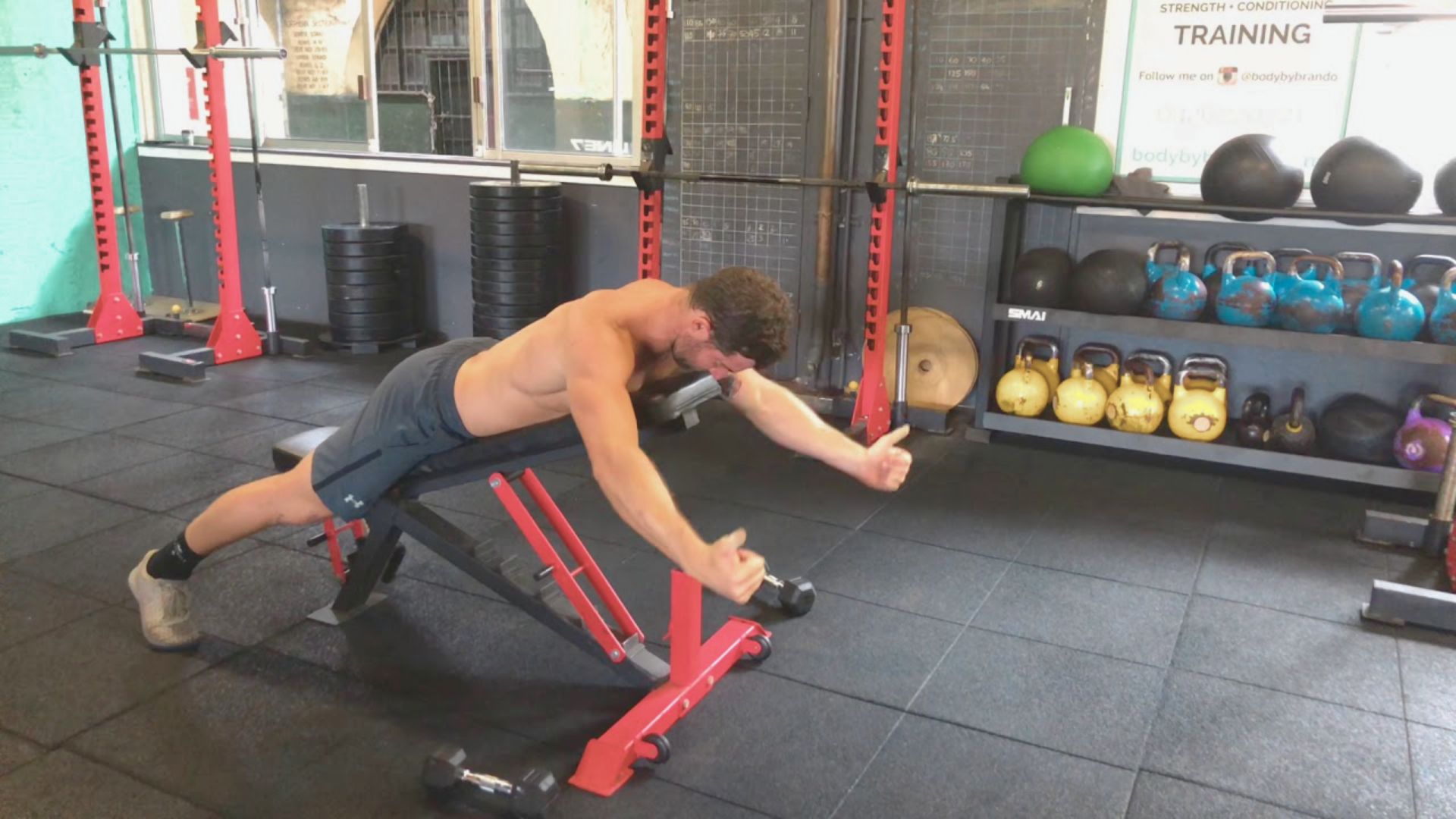
This movement strengthens the lower trapezius and stabilizer muscles.
Lie face down on a bench or stability ball. Let your arms hang down toward the floor. Raise your arms up and out at a 45-degree angle, forming a Y shape with your body. Keep your thumbs pointing up. Lift until your arms are level with your body, then lower slowly.
This activates weak stabilizer muscles that support proper shoulder positioning. It improves shoulder blade control during overhead activities and reduces strain on your rotator cuff.
How Often Should You Perform Shoulder Stability Exercises
Consistency matters more than intensity, Regular training produces better results than occasional hard workouts.
Recommended Sets and Repetitions
Start with 2 to 3 sets of 10 to 15 repetitions for each exercise. Rest 30 to 60 seconds between sets. For stretches, hold each position for 20 to 30 seconds and repeat 2 to 3 times on each side.
Daily vs Weekly Shoulder Training
You can do these exercises 3 to 5 times per week. This gives your muscles time to adapt and grow stronger. Some people do light shoulder work every day if they keep the intensity low. Listen to your body and take rest days when needed.
Progression Without Overloading the Joint
Add difficulty gradually. Increase repetitions before adding weight. When 15 reps feel easy, try 20 reps, then add light resistance. Increase weight in small steps. Focus on perfect form over heavy weight.
Common Mistakes to Avoid During Shoulder Stability Training
Small errors can lead to big problems. Watch out for these common mistakes.
- Using momentum instead of control Swinging or jerking the weight stresses your joints. Move slowly and smoothly. If you have to swing, it’s too heavy.
- Ignoring pain signals Mild muscle burn is okay. Sharp pain means something is wrong. Stop immediately if you feel pain.
- Letting your shoulder slip or slide If your shoulder feels like it’s slipping, stop. This needs professional attention.
- Slouching or hunching over Poor posture defeats the purpose. Keep your spine neutral and chest up.
- Shrugging your shoulders up Don’t let shoulders creep toward your ears. Pull them back and down before each exercise.
Conclusion
Strong shoulders change everything. They make daily tasks easier and keep you active longer. I’ve seen these 7 exercises for shoulder stability to prevent injury help so many people get back to doing what they love.
I personally do these exercises twice a week. They’ve kept my shoulders healthy through years of lifting and sports. Even on busy days, I make time for them because the difference is huge.
Try these movements today and stay consistent. Share this post with someone who needs stronger shoulders. Drop a comment below and tell me how these exercises work for you.
Frequently Asked Questions
How long does it take to see results from shoulder stability exercises?
Most people notice improvements in 4 to 6 weeks. You’ll feel stronger during daily activities. Serious strength gains take 8 to 12 weeks.
Can I do these exercises if I have a shoulder injury?
It depends on your injury. Minor strains often improve with gentle exercises. Serious injuries need professional evaluation first.
What resistance should I use for rotator cuff exercises?
Start with very light resistance or no weight. If you can’t do 15 reps with perfect form, the weight is too heavy.
Are shoulder stability exercises enough to prevent all injuries?
No single thing prevents all injuries. These exercises reduce your risk. Good posture and proper technique also matter.
Can these exercises fix shoulder clicking or popping sounds?
Sometimes. Stability exercises can reduce harmless clicking from tight muscles. But clicking with pain needs medical attention.